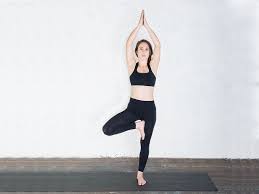
Vrikshasana
What Is Vrikshasana?
Vrikshasana is a standing balancing posture where one leg supports the body while the other rests on the inner thigh or calf of the standing leg. The pose helps cultivate patience and calmness, just like a tree rooted firmly in the earth.
How to Do Vrikshasana (Step-by-Step Guide)
Follow these simple steps to perform Vrikshasana correctly:
1. Stand straight in Tadasana
Keep your feet together with your weight evenly distributed.
2. Shift your weight
Slowly shift your body weight to your left foot.
3. Lift your right leg
Place your right foot on your left inner thigh.
(If you’re a beginner, place it on the calf. Avoid placing it on the knee.)
4. Balance your body
Find a steady point to focus your eyes on for better balance.
5. Raise your arms
Lift your arms overhead and join your palms in Namaste.
6. Hold the posture
Breathe deeply and hold the pose for 20–60 seconds.
7. Repeat on the other leg
Benefits of Vrikshasana
Practicing Vrikshasana daily improves both the body and mind. Here are the top benefits:
 Enhances balance & stability
It strengthens the legs and improves body balance, especially for beginners.
Boosts concentration & focus
Focusing your gaze helps sharpen the mind and improve mental clarity.
Strengthens legs, ankles & core
The standing leg works hard to support the body, building endurance.
Improves posture
The spine becomes aligned, helping reduce slouching and stiffness.
Reduces stress & anxiety
Slow breathing in this pose calms the nervous system.
Builds confidence
Holding the pose steady increases self-control and mental strength.
Who Can Practice Vrikshasana?
This asana is suitable for:
-
Students
-
Office workers
-
Beginners
-
People with weak concentration
-
Individuals wanting better balance and posture
Precautions
-
Avoid practicing if you have vertigo or severe balance issues.
-
Do not place the lifted foot on the knee joint.
-
Practice near a wall if you are a beginner to avoid falling.
-
Pregnant women should practice under guidance.