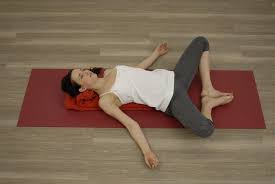
Supta Baddha Konasana
Meaning and Sanskrit Breakdown of Supta Baddha Konasana
The Sanskrit name of this posture reveals its essence:
-
Supta – Reclining or lying down
-
Baddha – Bound or held
-
Kona – Angle
-
Asana – Pose
Supta Baddha Konasana is the reclined version of Baddha Konasana (Bound Angle Pose). While Baddha Konasana is practiced seated, Supta Baddha Konasana allows the spine, shoulders, and head to completely relax on the floor or on props, making it deeply restorative.
Importance of Restorative Asanas in Yoga
Restorative yoga postures like Supta Baddha Konasana activate the parasympathetic nervous system, also known as the “rest and digest” response. These poses help counteract chronic stress caused by over‑stimulation, poor sleep, emotional pressure, and physical exhaustion.
Key benefits of restorative asanas include:
-
Deep relaxation of the nervous system
-
Reduction in stress hormones
-
Improved sleep quality
-
Emotional healing
-
Hormonal balance
-
Faster recovery from illness or fatigue
Supta Baddha Konasana is considered one of the most effective restorative poses in yoga practice.
Preparatory Poses for Supta Baddha Konasana
Although Supta Baddha Konasana is gentle, light preparation helps release surface tension.
Recommended preparatory poses:
-
Sukhasana with deep breathing
-
Cat–Cow Pose
-
Gentle hip circles
-
Baddha Konasana (seated)
-
Supine spinal twists
These poses prepare the hips, lower back, and nervous system for deeper relaxation.
Step‑by‑Step Practice of Supta Baddha Konasana
How to Perform Supta Baddha Konasana
-
Lie flat on your back on a yoga mat.
-
Bend both knees and bring the soles of the feet together.
-
Allow the knees to gently open outward toward the floor.
-
Place arms comfortably beside the body with palms facing upward.
-
Close the eyes and relax the facial muscles.
-
Allow the spine to settle naturally into the floor.
-
Remain in the pose for 2–10 minutes with slow breathing.
-
To come out, gently bring knees together and roll to one side before sitting up.
Breathing Technique in Supta Baddha Konasana
Breathing is the heart of this pose:
-
Inhale slowly through the nose, expanding the abdomen
-
Exhale gently, allowing the body to sink deeper into relaxation
-
Practice diaphragmatic breathing or simple awareness of breath
Deep breathing enhances relaxation and emotional release.
Physical Benefits of
1. Opens the Hips and Groin
This pose gently stretches the inner thighs, hips, and groin without strain.
2. Relieves Lower Back Tension
Reclining support reduces pressure on the lumbar spine and promotes relaxation.
3. Improves Digestion
Gentle stimulation of abdominal organs supports digestion and relieves bloating.
4. Enhances Blood Circulation
Relaxation improves blood flow throughout the body, especially in the pelvic region.
5. Reduces Fatigue
The pose deeply rejuvenates the body and mind.
Mental and Emotional Benefits
Deep Stress Relief
calms the mind and reduces anxiety.
Emotional Release
Opening the hips may release suppressed emotions and mental tension.
Improves Sleep Quality
Practicing before bedtime promotes deep, restful sleep.
Enhances Mindfulness
The stillness of the pose increases body awareness and inner focus.
Therapeutic Benefits of
This pose is widely used in yoga therapy for:
-
Anxiety and depression
-
Chronic stress
-
Menstrual discomfort
-
Menopause symptoms
-
Digestive disorders
-
Mild lower back pain
-
Recovery from illness
Always practice therapeutically under guidance if needed.
for Women’s Health
This asana is especially beneficial for women:
-
Supports reproductive health
-
Relieves PMS symptoms
-
Soothes menstrual cramps
-
Helps during menopause
-
Encourages hormonal balance
It is often recommended in prenatal and postnatal yoga with proper support.
Anatomy Involved in
Muscles Stretched
-
Adductors (inner thighs)
-
Hip flexors
-
Groin muscles
Muscles Relaxed
-
Lower back muscles
-
Abdominal muscles
-
Pelvic floor (gentle release)
Joints Involved
-
Hip joints
-
Sacroiliac joints
Variations of Supta Baddha Konasana
Supported
Use bolsters, pillows, or blocks under knees and spine for deep relaxation.
Chair
Ideal for seniors or people with limited mobility.
Prenatal Variation
Practiced with extra support and guidance.
Use of Props in
Props enhance comfort and safety:
-
Bolsters under spine
-
Blocks or pillows under knees
-
Eye pillows for sensory relaxation
-
Blankets for warmth
Restorative use of props allows longer holds.
Contraindications and Precautions
Avoid or modify if you have:
-
Severe hip or knee injury
-
Recent abdominal surgery
-
Lower back pain without support
Always use props and avoid forcing the knees.
Common Mistakes to Avoid
-
Forcing knees toward the floor
-
Holding tension in shoulders
-
Shallow breathing
-
Rushing out of the pose
Relaxation is the key goal.
in Yoga Sequences
This pose is ideal:
-
At the end of a yoga session
-
In restorative sequences
-
Before meditation
-
Before sleep
It pairs well with Shavasana and gentle pranayama.
Chakra Activation in
This pose primarily activates:
-
Svadhisthana Chakra (Sacral Chakra)
-
Anahata Chakra (Heart Chakra)
These chakras support emotional balance, creativity, and self‑love.
Spiritual Significance of
Spiritually, this posture represents surrender, receptivity, and trust. By allowing the body to fully relax, the practitioner learns to let go of control and connect with inner awareness and healing energy.
Frequently Asked Questions (FAQs)
How long should be held?
2–10 minutes depending on comfort.
Is this pose suitable for beginners?
Yes, it is one of the safest poses for all levels.
Can it be practiced daily?
Yes, daily practice is highly beneficial.