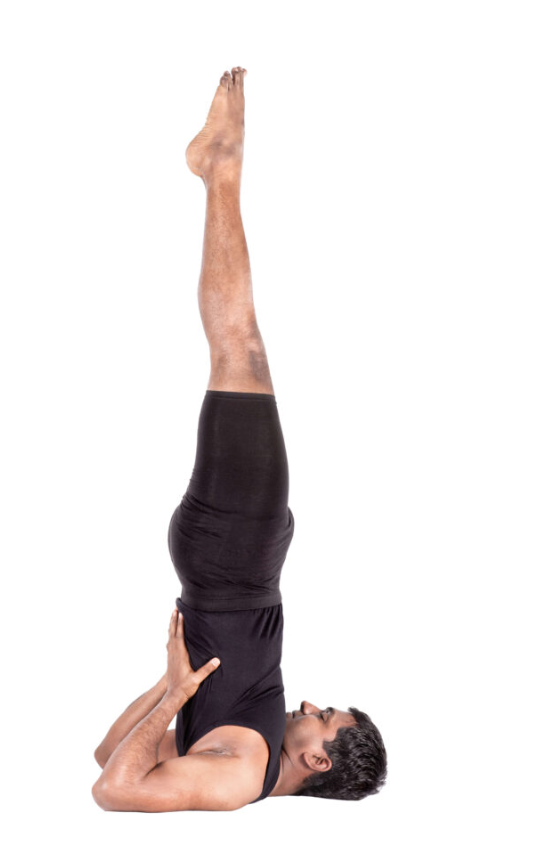
SARVANGASANA
Sarvangasana (The Shoulder Stand Pose): The Queen of All Asanas
Yoga is an ancient science that aims to bring harmony between the body, mind, and soul. Among the many yogic postures described in classical texts, holds a very special place. Often called the “Queen of Asanas”, is a powerful inverted posture that benefits almost every part of the body. The name itself reflects its importance, as it means “the posture that benefits the whole body.”
In today’s fast-paced lifestyle, people often suffer from stress, poor posture, hormonal imbalance, digestive problems, and weak immunity. Regular practice of helps to counter these problems by improving blood circulation, balancing the endocrine system, and calming the nervous system. This asana is highly valued in Hatha Yoga and is commonly practiced in yoga classes worldwide.
This blog provides a complete understanding of including its meaning, steps, benefits, precautions, variations, and its role in maintaining physical and mental health.
Meaning of Sarvangasana
The word is derived from three Sanskrit words:
-
Sarva – entire or whole
-
Anga – body parts
-
Asana – posture
Thus, means “a posture that benefits the entire body.” Unlike many yoga poses that target specific muscles or organs, influences almost all systems of the body, including the circulatory, respiratory, digestive, nervous, and endocrine systems.
Because of its wide-ranging benefits, ancient yogis regarded as one of the most essential postures for overall well-being.
Importance of Sarvangasana in Yoga
is considered one of the most important inverted poses in yoga. In inverted postures, the body is positioned upside down, allowing gravity to assist blood flow toward the brain and upper body. This reversal of gravity has a rejuvenating effect on the organs and glands.
Yogic texts often recommend practicing after (Headstand) or as an alternative for those who cannot perform Sirsasana. It is especially valued for its influence on the thyroid and parathyroid glands, which play a crucial role in regulating metabolism, growth, and energy levels.
Steps to Perform Sarvangasana
should always be practiced on an empty stomach or at least 4–5 hours after meals. A yoga mat or soft surface is recommended.
Step-by-Step Procedure
-
Lie flat on your back in Shavasana with arms resting beside the body, palms facing downward.
-
Take a deep breath and slowly raise both legs together to a 90-degree angle.
-
Exhale and lift the hips off the floor, supporting the lower back with your hands.
-
Place your palms firmly on the back, fingers pointing upward.
-
Gradually straighten the legs upward so the body forms a straight line from shoulders to toes.
-
Rest your weight on the shoulders and upper arms, not on the neck.
-
Keep the chin gently pressed against the chest (Jalandhara Bandha).
-
Breathe normally and hold the position for 20–60 seconds, depending on comfort.
-
To release, slowly lower the legs behind the head or gently roll down vertebra by vertebra.
-
Relax in Shavasana or perform Matsyasana (Fish Pose) as a counter pose.
Breathing in Sarvangasana
Breathing should remain slow, deep, and natural while holding Sarvangasana. Avoid holding the breath. Proper breathing enhances oxygen supply to the brain and helps calm the nervous system.
Duration and Practice Time
Beginners may start by holding Sarvangasana for 10–20 seconds. With regular practice, the duration can gradually increase to 1–3 minutes. Practicing early in the morning or in the evening is ideal.
Health Benefits of Sarvangasana
Sarvangasana offers numerous physical, mental, and spiritual benefits. Regular practice under proper guidance can significantly improve overall health.
1. Improves Blood Circulation
As an inverted pose, Sarvangasana helps improve blood flow to the brain, face, and upper body. This nourishes brain cells, improves concentration, and promotes mental clarity.
2. Strengthens the Endocrine System
Sarvangasana stimulates the thyroid, parathyroid, and pituitary glands, helping regulate hormones. It is especially beneficial for people with thyroid imbalances when practiced correctly.
3. Enhances Digestion
The pose improves digestion by massaging abdominal organs and increasing blood flow to the digestive system. It helps relieve constipation, acidity, and indigestion.
4. Boosts Immunity
By improving lymphatic drainage and circulation, Sarvangasana strengthens the immune system, helping the body fight infections and diseases.
5. Reduces Stress and Anxiety
Sarvangasana calms the nervous system and relieves mental fatigue. It helps reduce stress, anxiety, and mild depression by inducing a sense of relaxation and balance.
6. Improves Sleep Quality
Regular practice helps cure insomnia and promotes deep, restful sleep by relaxing the mind and regulating hormones.
7. Strengthens the Spine and Core
The pose strengthens the back, shoulders, arms, and abdominal muscles, improving posture and spinal flexibility.
8. Helps in Weight Management
By balancing metabolism and improving digestion, Sarvangasana supports healthy weight management and reduces fat accumulation.
9. Improves Skin and Hair Health
Improved blood flow to the face and scalp enhances skin glow and reduces hair fall, wrinkles, and dullness.
10. Relieves Varicose Veins
The inverted position reduces pressure in the legs and improves venous return, providing relief from varicose veins and leg fatigue.
Therapeutic Benefits
Sarvangasana is beneficial in managing:
-
Thyroid disorders (with medical guidance)
-
Asthma and respiratory issues
-
Hormonal imbalance
-
Menstrual irregularities
-
Fatigue and weakness
-
Poor memory and concentration
Precautions and Contraindications
Although Sarvangasana has many benefits, it should be practiced carefully.
Avoid Sarvangasana if you have:
-
Neck or spinal injuries
-
High blood pressure (unless guided by an expert)
-
Heart problems
-
Severe cervical spondylosis
-
Recent surgery
-
Pregnancy (unless under expert supervision)
Always practice under the guidance of a qualified yoga instructor, especially if you are a beginner.
Common Mistakes to Avoid
-
Putting pressure on the neck instead of shoulders
-
Bending the legs unnecessarily
-
Holding the breath
-
Jerky movements while entering or exiting the pose
Variations of Sarvangasana
-
Half Shoulder Stand (Ardha Sarvangasana) – suitable for beginners
-
Eka Pada Sarvangasana – one leg variation
-
Supported Sarvangasana – using cushions or blocks for comfort
Sarvangasana and Spiritual Benefits
Sarvangasana is not just a physical exercise; it also has spiritual significance. By directing blood flow toward the brain, it activates higher centers of consciousness. The pose helps balance Ajna Chakra and Vishuddha Chakra, enhancing self-awareness and inner peace.
Conclusion
Sarvangasana truly deserves its title as the Queen of Asanas. Its ability to benefit the entire body makes it one of the most powerful yoga postures. From improving physical health to calming the mind and balancing hormones, Sarvangasana plays a vital role in holistic well-being.
By including Sarvangasana in your daily yoga routine, you take a meaningful step toward a healthier, balanced, and more peaceful life.