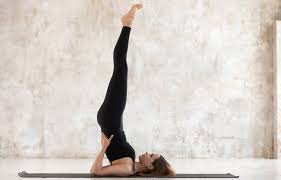
Sarvangasana
Importance of Inverted Asanas in Yoga
Inverted poses reverse the effects of gravity on the body, offering unique benefits not found in upright postures.
Key benefits of inversion asanas include:
-
Improved blood circulation to the brain
-
Enhanced lymphatic drainage
-
Stimulation of endocrine glands
-
Improved concentration and mental clarity
-
Reduced fatigue and stress
is considered the safest and most effective inversion when practiced with correct alignment.
Preparatory Poses for
Proper preparation helps prevent neck strain and improves stability.
Recommended preparatory poses:
-
Setu Bandhasana (Bridge Pose)
-
Halasana (Plow Pose – gentle version)
-
Viparita Karani
-
Marjaryasana–Bitilasana
-
Shoulder and neck mobility exercises
Step-by-Step Practice of
How to Perform (Shoulder Stand)
-
Lie flat on your back with arms beside the body, palms facing down.
-
Inhale and lift both legs together to a 90-degree angle.
-
Exhale and raise the hips, bringing the legs overhead.
-
Support the lower back with both hands, elbows resting on the floor.
-
Slowly straighten the legs upward toward the ceiling.
-
Keep the chin tucked gently into the chest (Jalandhara Bandha).
-
Maintain a straight line from shoulders to feet.
-
Hold the pose for 30–90 seconds with calm breathing.
-
To release, slowly lower the legs overhead into Halasana.
-
Roll down vertebra by vertebra and relax in Shavasana.
Breathing Technique in
-
Breathe slowly and deeply through the nose.
-
Avoid holding the breath.
-
Allow the breath to remain smooth and rhythmic.
Proper breathing enhances relaxation and hormonal stimulation.
Physical Benefits of
1. Improves Blood Circulation
The inverted position allows fresh, oxygen-rich blood to flow to the brain and upper body, enhancing mental clarity.
2. Strengthens the Neck and Shoulders
When practiced correctly, strengthens the cervical muscles and upper back.
3. Enhances Digestive Function
The pose stimulates abdominal organs, improving digestion and relieving constipation.
4. Supports Weight Management
activates the thyroid gland, which helps regulate metabolism.
5. Improves Sleep Quality
Regular practice calms the nervous system and helps relieve insomnia.
Endocrine and Hormonal Benefits
is especially beneficial for the endocrine system:
-
Stimulates the thyroid and parathyroid glands
-
Helps balance hormones
-
Supports menstrual health
-
Aids in managing thyroid-related imbalances (under guidance)
Mental and Emotional Benefits
Reduces Stress and Anxiety
The calming inversion soothes the nervous system and reduces mental fatigue.
Enhances Concentration
Improved blood flow to the brain supports better memory and focus.
Promotes Emotional Balance
encourages introspection and emotional stability.
Therapeutic Benefits of Sarvangasana
is commonly used in yoga therapy for:
-
Mild thyroid imbalance
-
Varicose veins
-
Fatigue and low energy
-
Menstrual discomfort
-
Anxiety and depression (supportive practice)
Always practice therapeutically under expert supervision.
Anatomy Involved in
Muscles Engaged
-
Sternocleidomastoid
-
Trapezius
-
Core muscles
-
Gluteal muscles
Joints Involved
-
Cervical spine
-
Shoulder joints
-
Hip joints
Proper anatomical awareness prevents strain.
Variations of Sarvangasana
1. Supported
Uses blankets under shoulders for neck protection.
2. Eka Pada
One leg lowered at a time to deepen the pose.
3. Niralamba
Hands-free advanced variation.
Contraindications and Precautions
Avoid if you have:
-
Neck injuries or cervical spondylosis
-
High blood pressure
-
Glaucoma
-
Severe heart conditions
-
Pregnancy
Always practice with guidance if unsure.
Common Mistakes to Avoid
-
Turning the head during the pose
-
Putting weight on the neck instead of shoulders
-
Holding the breath
-
Forcing the posture
Sarvangasana in Yoga Sequences
Sarvangasana is traditionally followed by:
-
Halasana
-
Matsyasana (counter-pose)
-
Shavasana
This sequence balances spinal flexion and extension.
Spiritual Significance of Sarvangasana
Energetically, Sarvangasana activates:
-
Vishuddha Chakra (Throat Chakra)
This supports communication, self-expression, and inner purification. The inversion encourages turning inward and cultivating awareness.
Tips for Safe and Effective Practice
-
Always warm up before practice
-
Use folded blankets for support
-
Practice near a wall if needed
-
Focus on alignment over duration
-
Improves Lymphatic Drainage
Sarvangasana enhances lymph flow by reversing gravity, helping the body remove toxins more efficiently. This supports immunity and reduces fluid retention.
Supports Women’s Health
Regular practice may help regulate menstrual cycles and reduce symptoms of PMS by balancing hormonal secretions and calming the nervous system.
Aids in Thyroid Health
The gentle pressure on the throat region stimulates the thyroid and parathyroid glands, supporting metabolic balance when practiced correctly.
Enhances Core Stability
Maintaining balance in Sarvangasana engages deep core muscles, improving overall stability and posture.
Sarvangasana for Beginners: Step-by-Step Progression
Beginners should approach Sarvangasana gradually using props and modifications.
Stage 1: Viparita Karani (Legs-Up-the-Wall Pose)
Stage 2: Supported Setu Bandhasana
Stage 3: Half Shoulder Stand with wall support
Stage 4: Full Supported SarvangasanaProgress only when the previous stage feels stable and comfortable.
Use of Props in Sarvangasana
Props are essential for safety and alignment:
-
Folded blankets: Placed under shoulders to protect the neck
-
Yoga blocks: Support the back in restorative variations
-
Wall support: Helps beginners maintain balance
Using props allows longer, safer holds without strain.
Sarvangasana and Breath Awareness
Breathing deeply in Sarvangasana calms the mind and enhances internal awareness:
-
Inhale gently through the nose
-
Exhale slowly to relax the body
-
Maintain smooth, uninterrupted breathing
Avoid breath retention unless guided by an experienced teacher.
Counter Poses and Sequencing
Sarvangasana should always be followed by counter poses to neutralize the spine:
-
Halasana (Plow Pose)
-
Matsyasana (Fish Pose)
-
Gentle neck release
This sequence maintains spinal balance and prevents stiffness.
Common Alignment Cues for Sarvangasana
-
Keep weight on shoulders, not neck
-
Elbows shoulder-width apart
-
Engage core and glutes lightly
-
Keep legs active and aligned
These cues improve stability and safety.
Frequently Asked Questions (FAQs)
How long should Sarvangasana be held?
Beginners may hold for 15–30 seconds, while experienced practitioners can hold up to 2 minutes.Is Sarvangasana safe for daily practice?
Yes, when practiced correctly with proper support and rest days as needed.Can Sarvangasana help with stress?
Yes, it calms the nervous system and promotes relaxation.Should Sarvangasana be avoided during menstruation?
Many traditions recommend avoiding inversions during menstruation.Teaching Tips for Yoga Instructors
-
Always demonstrate supported variations
-
Emphasize neck safety
-
Encourage slow entry and exit
-
Observe students’ alignment closely
-