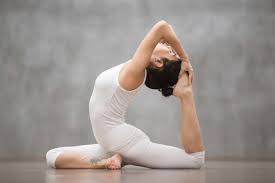
Rajakapotasana
Meaning and Origin of Rajakapotasana
The Sanskrit term is derived from:
-
Raja – King
-
Kapota – Pigeon
-
Asana – Posture
appears in classical Hatha Yoga texts and has been practiced for centuries as a powerful hip opener and heart-opening asana.
Importance of Hip-Opening and Backbend Asanas
Hips are considered a storage area for emotional stress, fear, and suppressed feelings. Deep hip openers like help release these tensions while strengthening the spine and improving posture.
Benefits of hip-opening and backbend asanas include:
-
Increased flexibility and mobility
-
Emotional release and stress reductionImproved spinal health
-
Enhanced lung capacity
-
Boosted energy flow
uniquely combines hip opening with a deep backbend, making it a transformative posture.
Preparatory Poses for
Proper preparation is safely.
Recommended preparatory asanas:
-
Baddha Konasana
-
Anjaneyasana
-
Ardha Hanumanasana
-
Bhujangasana
-
Ustrasana
-
Eka Pada Rajakapotasana (prep)
-
Gomukhasana
These poses gradually open the hips, quadriceps, spine, and shoulders.
Step-by-Step Practice of na
How to Perform
-
Begin in Adho Mukha Svanasana.
-
Bring the right knee forward and place it behind the right wrist.
-
Extend the left leg straight back with the top of the foot resting on the mat.
-
Square the hips and lengthen the spine.
-
Bend the back knee and reach back with both hands to hold the foot.
-
Lift the chest upward and draw the elbows toward the ceiling.
-
Drop the head gently back without compressing the neck.
-
Hold the pose for 20–60 seconds with steady breathing.
-
Release slowly and repeat on the opposite side.
Breathing Technique in na
-
Inhale deeply to lift the chest and lengthen the spine.
-
Exhale slowly to soften the hips and deepen the pose.
-
Maintain calm, rhythmic breathing throughout.
Breath awareness is essential to avoid strain and enhance emotional release.
Physical Benefits of
1. Opens the Hips Deeply
stretches the hip flexors, gluteal muscles, and groin, improving mobility.
2. Strengthens the Spine
The deep backbend strengthens spinal muscles and improves flexibility.
3. Stretches the Thighs and Knees
The pose lengthens the quadriceps and supports knee mobility.
4. Improves Posture
Opening the chest and shoulders counteracts slouching and rounded shoulders.
5. Enhances Lung Capacity
Chest expansion improves breathing efficiency.
Mental and Emotional Benefits
Releases Emotional Tension
Deep hip opening helps release stored emotional stress.
Reduces Anxiety and Depression
The heart-opening nature of the pose promotes emotional balance.
Enhances Confidence and Focus
Holding builds mental resilience and self-awareness.
Therapeutic Benefits
When practiced correctly, may support:
-
Sciatica (under guidance)
-
Hip stiffness
-
Lower back tension
-
Emotional trauma release
-
Fatigue and stress-related disorders
Therapeutic practice should always be supervised.
Anatomy Involved in
Muscles Stretched
-
Hip flexors (Iliopsoas)
-
Quadriceps
-
Gluteal muscles
-
Abdominals
Muscles Engaged
-
Erector spinae
-
Core stabilizers
-
Shoulder muscles
Joints Involved
-
Hip joints
-
Knee joints
-
Spine
Variations of
1. Eka Pada
The preparatory pigeon pose.
2. Mermaid Pose
A gentler variation with side bending.
3. Supported
Using blocks or bolsters for beginners.
Contraindications and Precautions
Avoid if you have:
-
Knee injuries
-
Hip replacement
-
Severe lower back pain
-
Shoulder injuries
-
Pregnancy
Always warm up and use props.
Common Mistakes to Avoid
-
Forcing the backbend
-
Allowing hips to tilt
-
Holding the breath
-
Skipping warm-up
Mindful practice ensures safety.
na in Yoga Sequences
is best practiced:
-
After sufficient warm-up
-
In hip-opening or heart-opening sequences
-
Followed by gentle forward bends
Chakra Activation in
This pose primarily activates:
-
Anahata Chakra (Heart Chakra)
-
Svadhisthana Chakra (Sacral Chakra)
Balancing these chakras enhances emotional flow and creativity.
Spiritual Significance of
Spiritually, symbolizes surrender, devotion, and emotional openness. It encourages practitioners to release fear and embrace vulnerability, leading to inner transformation and self-acceptance.
Beginner-Friendly Progression
-
Start with Pigeon Pose
-
Practice supported backbends
-
Use straps for foot reach
-
Gradually deepen the pose
Patience is key to safe progress.
Tips for Safe and Effective Practice
-
Practice under guidance
-
Use props generously
-
Respect body limits
-
Focus on breath
Frequently Asked Questions (FAQs)
Is suitable for beginners?
No, beginners should practice preparatory poses first.
How long should be held?
20–60 seconds depending on comfort.
Can help with emotional release?
Yes, it is known for deep emotional opening.
Importance of Hip-Opening and Backbend Asanas
Hips are considered a storage area for emotional stress, fear, and suppressed feelings. Deep hip openers like help release these tensions while strengthening the spine and improving posture.
Benefits of hip-opening and backbend asanas include:
-
Increased flexibility and mobility
-
Emotional release and stress reduction
-
Improved spinal health
-
Enhanced lung capacity
-
Boosted energy flow
combines hip opening with a deep backbend, making it a transformative posture.
Preparatory Poses for
Proper preparation is essential to practice a safely.
Recommended preparatory asanas:
-
Baddha Konasana
-
Anjaneyasana
-
Ardha Hanumanasana
-
Bhujangasana
-
Ustrasana
-
Eka Pada Rajakapotasana (prep)
-
Gomukhasana
These poses gradually open the hips, quadriceps, spine, and shoulders.
Step-by-Step Practice of
How to PerforBegin in Adho Mukha Svanasana.
-
Bring the right knee forward and place it behind the right wrist.
-
Extend the left leg straight back with the top of the foot resting on the mat.
-
Square the hips and lengthen the spine.
-
Bend the back knee and reach back with both hands to hold the foot.
-
Lift the chest upward and draw the elbows toward the ceiling.
-
Drop the head gently back without compressing the neck.
-
Hold the pose for 20–60 seconds with steady breathing.
-
Release slowly and repeat on the opposite side.
Breathing Technique in
-
Inhale deeply to lift the chest and lengthen the spine.
-
Exhale slowly to soften the hips and deepen the pose.
-
Maintain calm, rhythmic breathing throughout.
Breath awareness is essential to avoid strain and enhance emotional release.
Physical Benefits of Rajakapotasana
1. Opens the Hips Deeply
stretches the hip flexors, gluteal muscles, and groin, improving mobility.
2. Strengthens the Spine
The deep backbend strengthens spinal muscles and improves flexibility.
3. Stretches the Thighs and Knees
The pose lengthens the quadriceps and supports knee mobility.
4. Improves Posture
Opening the chest and shoulders counteracts slouching and rounded shoulders.
5. Enhances Lung Capacity
Chest expansion improves breathing efficiency.
Mental and Emotional Benefits
Releases Emotional Tension
Deep hip opening helps release stored emotional stress.
Reduces Anxiety and Depression
The heart-opening nature of the pose promotes emotional balance.
Enhances Confidence and Focus
Holding builds mental resilience and self-awareness.
Therapeutic Benefits
When practiced correctly, a may support:
-
Sciatica (under guidance)
-
Hip stiffness
-
Lower back tension
-
Emotional trauma release
-
Fatigue and stress-related disorders
Therapeutic practice should always be supervised.
Anatomy Involved in
Muscles Stretched
-
Hip flexors (Iliopsoas)
-
Quadriceps
-
Gluteal muscles
-
Abdominals
Muscles Engaged
-
Erector spinae
-
Core stabilizers
-
Shoulder muscles
Joints Involved
-
Hip joints
-
Knee joints
-
Spine
Variations of
1. Eka Pada
The preparatory pigeon pose.
2. Mermaid Pose
A gentler variation with side bending.
3. Supported
Using blocks or bolsters for beginners.
Contraindications and Precautions
Avoid if you have:
-
Knee injuries
-
Hip replacement
-
Severe lower back pain
-
Shoulder injuries
-
Pregnancy
Always warm up and use props.
Common Mistakes to Avoid
-
Forcing the backbend
-
Allowing hips to tilt
-
Holding the breath
-
Skipping warm-up
Mindful practice ensures safety.
in Yoga Sequences
a is best practiced:
-
After sufficient warm-up
-
In hip-opening or heart-opening sequences
-
Followed by gentle forward bends
Chakra Activation in
This pose primarily activates:
-
Anahata Chakra (Heart Chakra)
-
Svadhisthana Chakra (Sacral Chakra)
Balancing these chakras enhances emotional flow and creativity.
Spiritual Significance of
Spiritually, symbolizes surrender, devotion, and emotional openness. It encourages practitioners to release fear and embrace vulnerability, leading to inner transformation and self-acceptance.
Beginner-Friendly Progression
-
Start with Pigeon Pose
-
Practice supported backbends
-
Use straps for foot reach
-
Gradually deepen the pose
Patience is key to safe progress.
Tips for Safe and Effective Practice
-
Practice under guidance
-
Use props generously
-
Respect body limits
-
Focus on breath
Frequently Asked Questions (FAQs)
Is suitable for beginners?
No, beginners should practice preparatory poses first.
How long should be held?
20–60 seconds depending on comfort.
Can help with emotional release?
Yes, it is known for deep emotional opening.
Conclusion
a is a deeply transformative yoga posture that combines strength, flexibility, and emotional awareness. Though challenging, it offers immense physical, mental, and spiritual benefits when practiced with patience and mindfulness.
By embracing the journey rather than the final expression, practitioners can experience profound growth, healing, and inner freedom through
Also known as: King Pigeon Pose
Category: Backbend / Hip Opener
Level: Advanced
Expanded Physical Benefits of
Improves Hip Joint Health
deeply nourishes the hip joints by increasing synovial fluid circulation. This helps maintain joint mobility, reduces stiffness, and supports long-term hip health, especially for people with sedentary lifestyles.
Enhances Spinal Flexibility and Strength
The strong backbend improves spinal extension and strengthens the muscles supporting the spine. Regular practice can help prevent back stiffness and improve overall spinal resilience.
Stimulates Abdominal and Pelvic Organs
The stretch and compression in the abdominal area gently stimulate digestive and pelvic organs, supporting digestion, elimination, and reproductive health.
Improves Blood Circulation
Opening the chest and hips enhances blood flow throughout the body, increasing oxygen supply to muscles and tissues.
and Emotional Release (In Depth)
In yogic philosophy, the hips are believed to store unresolved emotions such as fear, sadness, and stress. creates a safe space for releasing these suppressed emotions.
Practitioners may experience:
-
Emotional lightness
-
A sense of openness and vulnerability
-
Reduced mental tension
-
Improved mood and emotional balance
This emotional detoxification makes a powerful tool for mental healing.
for Different Body Types
For Stiff Hips
-
Use bolsters under the hips
-
Practice shorter holds
-
Focus on breath rather than depth
For Flexible Practitioners
-
Add deeper backbend variations
-
Practice longer holds with awareness
-
Integrate arm balances as transitions
For Athletes and Runners
Rajakapotasana helps release tight hip flexors and quadriceps, improving stride length and reducing injury risk.
Use of Props in Rajakapotasana
Props enhance safety and accessibility:
-
Yoga blocks: Support the hips and hands
-
Bolsters: Reduce pressure on knees and hips
-
Straps: Assist in reaching the back foot
Props allow gradual and sustainable progress.
Rajakapotasana and Breath Awareness
Breath is the key to deepening the pose safely:
-
Inhale to lift and expand the chest
-
Exhale to soften resistance in hips
-
Maintain slow, steady nasal breathing
This breath pattern activates the parasympathetic nervous system, promoting relaxation.
Counter Poses After Rajakapotasana
To balance the body after deep backbends:
-
Adho Mukha Svanasana
-
Uttanasana
-
Paschimottanasana
-
Balasana
Counter poses prevent stiffness and support recovery.
Common Alignment Cues
-
Keep hips square and stable
-
Avoid collapsing into the lower back
-
Engage core muscles gently
-
Keep neck long and relaxed
Alignment awareness prevents injury and enhances benefits.
Advanced Variations of Rajakapotasana
Kapotasana (Full Pigeon Pose)
A deeper backbend that requires advanced flexibility.
One-Handed Bind Variation
Adds asymmetrical challenge and strength.
Dynamic Rajakapotasana Flow
Incorporates movement with breath for advanced practitioners.
Teaching Tips for Yoga Instructors
-
Offer multiple prop options
-
Emphasize emotional awareness
-
Encourage students not to force depth
-
Allow time for rest and integration
Frequently Asked Questions (Additional)
Can Rajakapotasana help with stress and trauma?
Yes, its deep hip opening can support emotional release when practiced mindfully.
How often should Rajakapotasana be practiced?
2–3 times a week is sufficient for most practitioners.
Is pain normal in Rajakapotasana?
No. Sensation is normal, pain is not. Always back off if pain occurs.