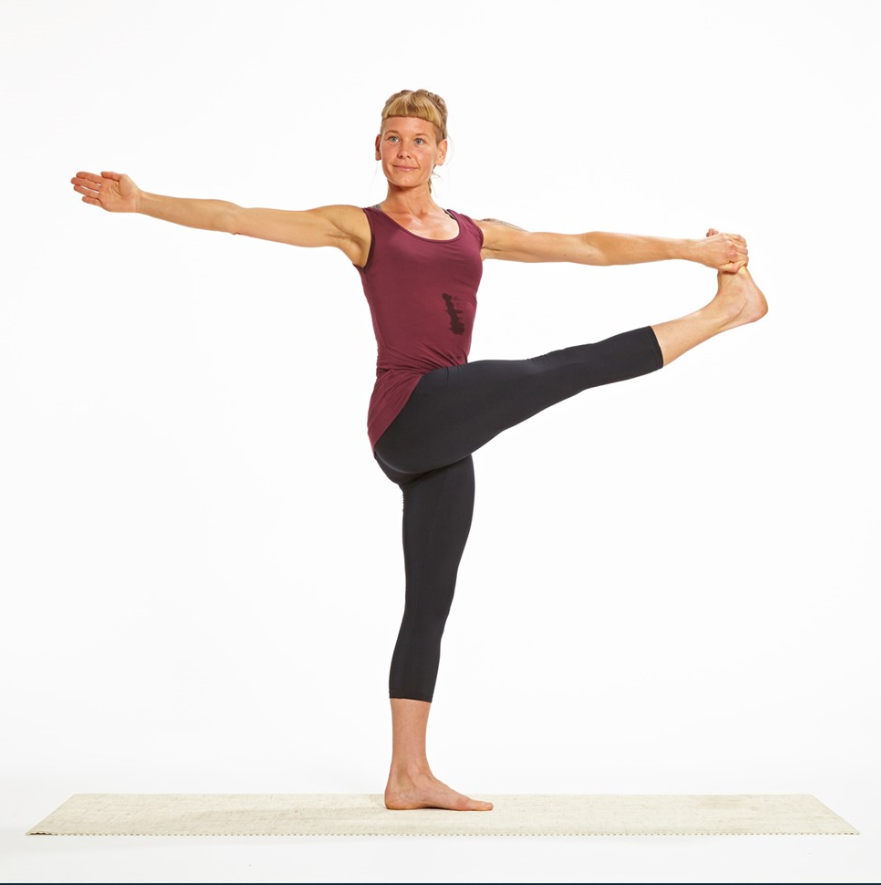
PADANGUSTHASANA
Padangusthasana (Big Toe Pose): A Complete Guide to Technique, Benefits, and Yogic Wisdom
Introduction
Padangusthasana, commonly known as Big Toe Pose, is a foundational standing forward-bending yoga posture that holds immense physical, mental, and spiritual benefits. Derived from the Sanskrit words “Pada” meaning foot, “Angustha” meaning big toe, and “Asana” meaning posture, Padangusthasana involves folding forward while holding the big toes with the fingers.
Though it may look simple, Padangusthasana is a deeply transformative pose that stretches the entire back body, strengthens the legs, improves digestion, calms the mind, and prepares the practitioner for deeper meditative practices. It is widely practiced in Hatha Yoga, Ashtanga Yoga, and Vinyasa Yoga traditions.
This asana is suitable for beginners as well as advanced practitioners when practiced with correct alignment, breath awareness, and patience.
Meaning and Significance of Padangusthasana
In yogic philosophy, the feet represent grounding and stability. Touching or holding the toes during a forward bend symbolizes humility, surrender, and turning inward. Padangusthasana encourages introspection and balance between effort (abhyasa) and surrender (vairagya).
This pose activates the Muladhara (Root Chakra) and Svadhisthana (Sacral Chakra), fostering stability, emotional balance, and self-awareness.
Step-by-Step Practice of Padangusthasana
Starting Position
-
Stand straight in Tadasana (Mountain Pose).
-
Keep the feet hip-width apart or together, depending on flexibility.
-
Distribute weight evenly on both feet.
-
Engage the thigh muscles and lengthen the spine.
Entering the Pose
-
Inhale deeply and raise your chest, lengthening the spine.
-
Exhale slowly and hinge forward from the hips, not the waist.
-
Bend forward and bring your torso closer to the thighs.
-
Hook the index and middle fingers around the big toes.
-
Press the toes into the fingers and fingers into the toes.
-
Keep elbows slightly bent and pointing outward.
Final Position
-
Lengthen the spine on inhalation.
-
On exhalation, bend the elbows and draw the torso closer to the legs.
-
Relax the neck and allow the head to hang naturally.
-
Maintain steady breathing.
-
Hold the pose for 20–60 seconds or longer if comfortable.
Releasing the Pose
-
Inhale, straighten the arms, and lengthen the spine.
-
Release the toes.
-
Slowly rise back up to standing.
-
Return to Tadasana and relax.
Breathing Technique (Pranayama Awareness)
Breathing plays a vital role in Padangusthasana:
-
Inhale to lengthen the spine.
-
Exhale to deepen the forward fold.
-
Practice slow, rhythmic breathing.
-
Focus on diaphragmatic breathing to calm the nervous system.
Physical Benefits of Padangusthasana
1. Stretches the Entire Posterior Chain
Padangusthasana deeply stretches:
-
Hamstrings
-
Calves
-
Spine
-
Lower back
-
Shoulders and neck
This helps improve flexibility and mobility.
2. Strengthens the Legs and Feet
The pose tones the thighs, knees, ankles, and arches of the feet, improving balance and posture.
3. Improves Digestion
The forward bend massages abdominal organs such as the stomach, liver, intestines, and pancreas, enhancing digestion and metabolism.
4. Supports Spinal Health
By elongating the spine, Padangusthasana helps relieve stiffness, improves posture, and reduces back pain caused by prolonged sitting.
5. Enhances Blood Circulation
Inversion of the torso increases blood flow to the brain, improving oxygen supply and mental clarity.
Mental and Emotional Benefits
1. Reduces Stress and Anxiety
The forward-folding nature of the pose calms the nervous system and helps relieve mental tension.
2. Improves Focus and Concentration
Regular practice enhances mindfulness and present-moment awareness.
3. Helps with Insomnia
Practicing Padangusthasana before bedtime can promote relaxation and better sleep.
4. Encourages Emotional Release
Forward bends are known to release stored emotions, helping practitioners feel lighter and emotionally balanced.
Therapeutic Benefits
Padangusthasana may be beneficial for:
-
Mild back pain
-
Digestive issues
-
Fatigue
-
Anxiety and depression
-
High blood pressure (with caution and guidance)
Contraindications and Precautions
Avoid or modify Padangusthasana if you have:
-
Severe lower back injury
-
Herniated disc
-
Hamstring tear
-
Glaucoma or serious eye conditions
-
Pregnancy (unless guided by a qualified yoga teacher)
Always consult a yoga instructor or healthcare professional if unsure.
Common Mistakes to Avoid
-
Rounding the back excessively
-
Locking the knees
-
Forcing the stretch
-
Holding the breath
-
Pulling too hard on the toes
Remember, yoga is not about force but about awareness and ease.
Modifications and Variations
For Beginners
-
Bend the knees slightly.
-
Use a yoga strap around the feet.
-
Place hands on shins instead of toes.
For Advanced Practitioners
-
Straighten the elbows fully.
-
Bring the forehead closer to the shins.
-
Hold the pose for longer durations with controlled breathing.
Padangusthasana in Yoga Sequences
Padangusthasana is often practiced:
-
In Ashtanga Yoga Primary Series
-
After Sun Salutations
-
As a preparatory pose for deeper forward bends
-
Before seated postures
Spiritual Aspect of Padangusthasana
Spiritually, Padangusthasana represents humility and surrender. Bowing forward reminds practitioners to let go of ego and connect with inner awareness. It prepares the body and mind for meditation and self-reflection.
Tips for Safe and Effective Practice
-
Warm up before practicing.
-
Practice on an empty stomach.
-
Use props if needed.
-
Maintain consistency rather than intensity.
-
Focus on breath and body awareness.
Conclusion
Padangusthasana is a powerful yet accessible yoga posture that offers holistic benefits for the body, mind, and soul. Through regular and mindful practice, this asana enhances flexibility, strengthens the body, calms the mind, and nurtures inner balance.
Whether you are a beginner or an advanced yogi, Padangusthasana teaches patience, humility, and self-awareness—qualities that extend beyond the mat into everyday life. Practice with dedication, breathe with awareness, and allow the pose to guide you toward harmony and well-being.
If you want, I can also provide: