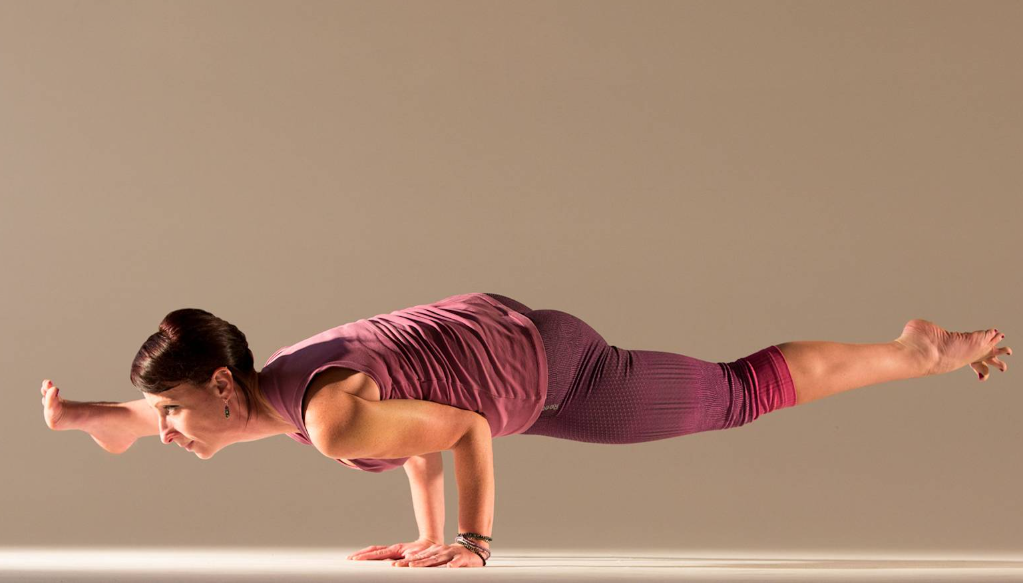
Padangustha Dandasana
Meaning and Philosophy of Padangustha Dandasana
In yogic philosophy, the staff (Danda) represents support, discipline, and balance in life. The act of holding the big toe symbolizes connection and control, reminding practitioners to remain grounded while reaching forward in growth.
Padangustha Dandasana encourages practitioners to maintain spinal integrity while extending outward, reflecting the yogic principle of sthira sukham asanam—steadiness with ease. The pose teaches patience, self-awareness, and respect for the body’s limitations.
Anatomical Focus of Padangustha
Padangustha works deeply on multiple muscle groups and joints:
-
Hamstrings
-
Hip flexors
-
Calf muscles
-
Core muscles
-
Spinal extensors
-
Shoulder and arm muscles
It also stimulates the nervous system and enhances proprioception, improving balance and coordination.
Step-by-Step Practice of Padangustha
Preparation
Before attempting Padangustha a, it is important to warm up the body properly. Recommended preparatory poses include:
-
Dandasana
-
Paschimottanasana
-
Janu Sirsasana
-
Supta Padangusthasana
-
Adho Mukha Svanasana
These poses help open the hamstrings, hips, and spine.
How to Do Padangustha
-
Begin by sitting in Dandasana (Staff Pose) with both legs extended straight in front of you.
-
Keep your spine erect, shoulders relaxed, and gaze forward.
-
Bend your right knee and bring the foot closer to your body.
-
Hold the big toe of your right foot using the yogic toe lock (thumb, index, and middle finger).
-
Slowly straighten the right leg upward, extending it toward the ceiling.
-
Ensure that the left leg remains straight and firmly grounded on the mat.
-
Keep your spine tall and avoid rounding the back.
-
Engage your core muscles to maintain balance.
-
Hold the posture for 20–40 seconds, breathing deeply and steadily.
-
To release, gently lower the leg and repeat on the opposite side.
Breathing Technique in Padangustha
Breath awareness is essential in Padangustha Dandasana:
-
Inhale deeply while lifting and extending the leg.
-
Exhale slowly as you stabilize the posture.
-
Maintain slow, rhythmic breathing throughout the hold.
Deep breathing enhances flexibility and helps relax muscle tension.
Benefits of Padangustha
Physical Benefits
-
Improves flexibility of hamstrings and calves
-
Strengthens the spine and core muscles
-
Enhances hip joint mobility
-
Improves posture and spinal alignment
-
Strengthens arms and shoulders
-
Improves balance and coordination
Mental and Emotional Benefits
-
Enhances concentration and focus
-
Calms the nervous system
-
Reduces stress and anxiety
-
Develops mental discipline
-
Promotes mindfulness
Therapeutic Benefits
-
Helps relieve mild lower back stiffness
-
Aids digestion by stimulating abdominal organs
-
Beneficial for improving circulation
-
Supports overall musculoskeletal health
Padangustha D andasanafor Beginners
Beginners may find Padangustha a challenging due to tight hamstrings or limited balance. Here are some helpful tips:
-
Use a yoga strap around the foot instead of holding the toe.
-
Slightly bend the raised knee if needed.
-
Sit on a folded blanket to elevate the hips.
-
Practice near a wall for additional support.
Consistency and patience are key when learning this posture.
Variations of Padangustha
-
Half Padangustha a – Keep the lifted leg slightly bent
-
Supported Padangustha – Use blocks or straps
-
Dynamic Variation – Gently move the leg up and down with breath
-
Advanced Hold – Increase duration while maintaining perfect alignment
Common Mistakes to Avoid
-
Rounding the spine
-
Locking the knee joint
-
Forcing the leg upward
-
Holding the breath
-
Collapsing the shoulders
Avoiding these mistakes ensures safety and maximum benefit.
Contraindications and Precautions
should be avoided or practiced with caution if you have:
-
Severe hamstring injuries
-
Lower back pain or slipped disc
-
Hip or knee injuries
-
Recent abdominal surgery
-
Sciatica (consult a yoga therapist)
Always practice under guidance if unsure.
Padangustha Dandasana in Yoga Sequences
This asana fits well into:
-
Seated yoga sequences
-
Flexibility-focused classes
-
Hatha Yoga routines
-
Advanced Ashtanga practices
It is often practiced after warming poses and before relaxation or supine postures.
Padangustha Dandasana and Pranayama
Combining this pose with pranayama techniques such as Ujjayi breathing enhances internal awareness and stability. Controlled breathing improves endurance and calmness during the posture.
Spiritual Aspect of Padangustha Dandasana
On a spiritual level, Padangustha Dandasana helps balance the Muladhara and Svadhisthana chakras, promoting grounding and emotional stability. The pose encourages inward focus and self-reflection, making it beneficial for meditation preparation.
Practice Tips for Best Results
-
Practice on an empty stomach
-
Maintain consistent daily practice
-
Respect your body’s limits
-
Focus on alignment rather than height
-
Combine with stretching and relaxation poses