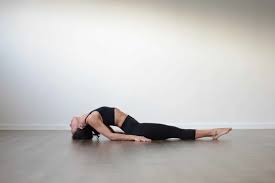
Matsyasana
Meaning and Mythological Significance of
In Hindu mythology, Matsya is the first incarnation of Lord Vishnu, who appeared as a fish to save humanity and sacred knowledge from a great flood. Practicing Matsyasana symbolizes protection, nourishment, and renewal.
Spiritually, the pose represents floating above emotional turbulence, staying calm even when life feels overwhelming. It teaches surrender, openness, and trust—qualities essential for inner growth.
Importance of
in Yogic Tradition
has been described in classical yoga texts as a posture that:
-
Destroys diseases
-
Awakens dormant energy
-
Improves vitality and longevity
Traditionally, it is practiced to:
-
Counteract the compression of the neck in inverted poses
-
Stimulate the
-
Chakra (Throat Chakra)
-
Balance energy flow throughout the body
Anatomy and Muscles Involved in
works on multiple muscle groups and systems simultaneously.
Muscles Stretched:
-
Chest (pectorals)
-
Neck muscles
-
Intercostal muscles (between ribs)
-
Hip flexors
-
Abdominal muscles
Muscles Engaged:
-
Upper back muscles
-
Glute muscles
-
Core stabilizers
Organs Stimulated:
-
Lungs
-
Thyroid and parathyroid glands
-
Digestive organs
-
Heart
Step-by-Step Procedure to Perform
Follow these steps carefully for safe and effective practice:
-
Lie flat on your back in Shavasana.
-
Place your hands under your hips, palms facing downward.
-
Bring your elbows close together underneath your torso.
-
Inhale deeply and press the elbows into the floor.
-
Lift your chest upward, arching the upper back.
-
Gently drop your head backward and rest the crown of your head on the mat.
-
Keep minimal weight on the head; most support should come from elbows.
-
Legs can remain straight or in Padmasana for advanced practice.
-
Hold the pose for 20–60 seconds, breathing normally.
-
To release, lift your head slightly, lower your chest, and relax.
Breathing Technique in
Breath awareness
.
-
Inhale deeply to expand the chest
-
Exhale slowly to relax the throat and neck
-
Maintain smooth, rhythmic breathing
-
Avoid holding the breath
Deep breathing increases lung capacity and improves oxygen flow.
Health Benefits of
expands the rib cage and lungs, making it highly beneficial for asthma, bronchitis, and shallow breathing.
2. Stimulates Thyroid Function
The throat stretch stimulates thyroid and parathyroid glands, supporting hormonal balance and metabolism.
3. Enhances Posture
By opening the chest and shoulders, helps correct rounded shoulders and slouching posture.
4. Reduces Stress and Anxiety
The pose calms the nervous system and releases tension stored in the neck and upper chest.
5. Improves Digestion
Gentle abdominal stretch stimulates digestive organs, reducing constipation and bloating.
6. Strengthens Upper Back
Regular practice improves spinal flexibility and upper back strength.
7. Supports Heart Health
Chest opening improves circulation and oxygen supply to the heart.
Matsyasana for Mental and Emotional Well-Being
is known to:
-
Relieve mental fatigue
-
Improve concentration
-
Reduce mild depression
-
Promote emotional openness
The heart-opening nature of the pose helps release suppressed emotions and encourages positive thinking.
and Chakra Activation
Vishuddha Chakra (Throat Chakra)
-
Enhances communication
-
Improves self-expression
-
Balances emotions
Anahata Chakra (Heart Chakra)
-
Encourages compassion
-
Promotes emotional healing
-
Builds inner peace
According to Ayurveda
From an Ayurvedic
perspective, balances Kapha and Vata doshas.
-
Reduces Kapha-related congestion
-
Stabilizes Vata-related anxiety
-
Pitta individuals should practice moderately
Practicing with calm breathing keeps the doshas in harmony.
Variations of
1. Supported
Use a yoga block or bolster under the back for gentle support.
2. Lotus
Performed with legs in Padmasana; suitable for advanced practitioners.
3. One-Legged
One leg straight, one knee bent—useful for beginners.
for Beginners
Beginners should:
-
Use props for support
-
Avoid excessive neck pressure
-
Hold the pose for shorter durations
-
Focus on chest lift rather than head placement
Consistency is more important than depth.
Therapeutic Applications of
is often used in yoga therapy for:
-
Asthma
-
Thyroid imbalance
-
Cervical stiffness
-
Mild back pain
-
Hormonal imbalance
-
Stress-related disorders
Always practice under guidance if using therapeutically.
Common Mistakes to Avoid
-
Putting full body weight on the head
-
Compressing the neck excessively
-
Forcing the backbend
-
Holding breath
-
Practicing without warm-up
Correct alignment ensures safety and effectiveness.
Precautions and Contraindications
Avoid or modify if you have:
-
Neck or spine injury
-
High blood pressure
-
Migraine
-
Severe lower back pain
-
Recent surgery
Pregnant women should practice only under expert supervision.
Best Time to Practice
-
Early morning on an empty stomach is ideal
-
Evening practice is acceptable after 4–5 hours of meals
-
Practice on a firm, comfortable yoga mat
in a Yoga Sequence
is usually practiced:
-
After Sarvangasana
-
Before Halasana or Shavasana
-
As part of chest-opening sequences
Sample Sequence:
-
Sarvangasana
-
Halasana
-
Matsyasana
-
Paschimottanasana
-
Shavasana
Scientific Perspective on Matsyasana
Modern research highlights that chest-opening poses:
-
Improve lung capacity
-
Reduce sympathetic nervous system dominance
-
Enhance parasympathetic response
-
Support endocrine health
integrates physical and neurological benefits.
and Pranayama
Combining with breathing techniques enhances its effects.
Recommended Pranayama:
-
Anulom Vilom
-
Bhramari
-
Ujjayi (gentle)
Practice pranayama after releasing the pose.
Spiritual Benefits of Matsyasana
encourages:
-
Surrender and openness
-
Inner awareness
-
Emotional release
-
Spiritual growth
Holding the posture mindfully cultivates stillness and clarity.
FAQs About
Is
good for weight loss?
Indirectly, yes. It improves metabolism and hormonal balance.
How long should
be held?
20–60 seconds for beginners, up to 2 minutes for advanced practitioners.
Can
cure thyroid problems?
It supports thyroid health but is not a substitute for medical treatment.
dvanced Alignment and Body Awareness in Matsyasana
To gain maximum benefit from
body awareness is essential. This pose is not about extreme backbending but about opening the heart and throat safely.
Key Alignment Points:
-
Elbows should remain grounded and close to the torso
-
Chest should lift upward, not push forward
-
Crown of the head touches the mat lightly
-
Neck remains relaxed, never compressed
-
Spine forms a gentle, even arch
Practicing with awareness prevents strain and enhances subtle energetic benefits.
Use of Props for Deep Relaxation in
Props transform
into a restorative posture.
Prop-Based Variations:
-
Bolster under spine: Deep chest opening without neck strain
-
Yoga block under upper back: Ideal for beginners
-
Blanket under head: Provides neck support
-
Chair Matsyasana: Excellent for elderly practitioners
Restorative
can be held for 3–5 minutes, promoting deep relaxation.
Matsyasana in Yoga Therapy Programs
is widely used in therapeutic yoga settings.
Therapeutic Benefits:
-
Improves lung expansion in respiratory disorders
-
Stimulates thyroid gland for hormonal regulation
-
Reduces cervical stiffness and upper back pain
-
Supports emotional release in trauma-sensitive yoga
Yoga therapists often combine Matsyasana with gentle pranayama for healing effects.
Matsyasana for Women’s Health
plays a supportive role in women’s wellness.
Benefits Include:
-
Hormonal balance
-
Relief from menstrual discomfort
-
Improved reproductive health
-
Emotional stability during PMS and menopause
Gentle, supported versions are recommended during sensitive phases.
and Postural Correction
Modern lifestyle causes forward head posture and rounded shoulders.
counteracts these imbalances.
Postural Improvements:
-
Opens collapsed chest
-
Re-aligns cervical spine
-
Strengthens upper back muscles
-
Reduces neck and shoulder tension
Regular practice helps reverse the effects of prolonged screen time.
and Nervous System Regulation
activates the parasympathetic nervous system, promoting rest and recovery.
Nervous System Benefits:
-
Lowers stress hormone levels
-
Reduces anxiety symptoms
-
Improves sleep quality
-
Enhances emotional regulation
This makes
ideal for evening or relaxation-focused yoga sessions.
Integration of Mantra and Meditation in
Advanced practitioners can deepen the pose through mantra awareness.
Suggested Practices:
-
Mentally chant “HAM” (seed mantra of Vishuddha Chakra)
-
Focus awareness on throat region
-
Visualize blue light expanding in the neck
This enhances energetic balance and spiritual awareness.
Matsyasana in Traditional Hatha Yoga
In classical Hatha Yoga,
is considered a destroyer of diseases.
Traditional Beliefs:
-
Awakens Kundalini energy gently
-
Purifies Nadis (energy channels)
-
Supports longevity and vitality
Practicing
after inversions is a traditional recommendation.
Matsyasana in Modern Fitness and Wellness
is now integrated into:
-
Physiotherapy routines
-
Post-workout stretching
-
Stress management programs
-
Corporate wellness initiatives
Its adaptability makes it suitable for non-yogic fitness systems as well.
Common Questions (Extended FAQs)
Can
be practiced daily?
Yes, when practiced gently and correctly.
Is Matsyasana suitable for seniors?
Yes, with props and chair-based modifications.
Does
help voice quality?
Yes, throat opening improves vocal clarity and resonance.
Can
help with sinus congestion?
Yes, chest and throat opening aids sinus drainage.
Mistakes Even Experienced Practitioners Make
-
Overstretching the neck
-
Ignoring breath awareness
-
Rushing into the pose without counter-poses
-
Practicing without adequate spinal warm-up
Mindfulness is key, regardless of experience level.
Counter Poses After Matsyasana
Always neutralize the spine after deep backbends.
Recommended Counter Poses:
-
Apanasana
-
Balasana
-
Paschimottanasana
-
Shavasana
These help integrate the benefits of Matsyasana.
and Holistic Healing
Matsyasana works simultaneously on:
-
Physical body
-
Mental awareness
-
Emotional release
-
Energetic balance
This holistic impact makes it a cornerstone posture in yoga therapy.