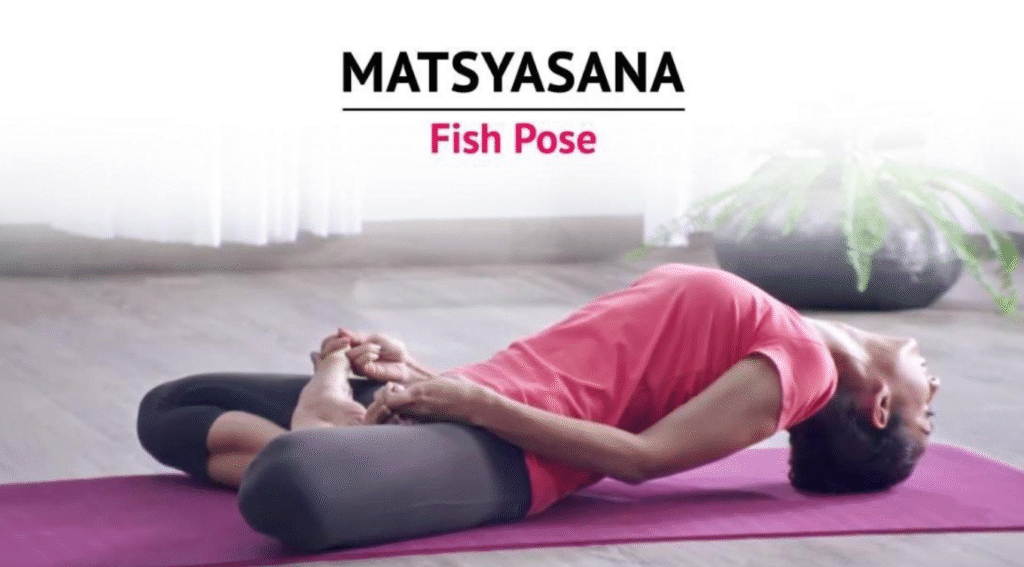
MATSYASANA
What is Matsyasana?
Matsyasana is a reclining backbend posture in which the chest arches upward while the crown of the head rests lightly on the floor. The weight of the body is supported mainly by the elbows and hips, not the head. This posture expands the chest, stimulates the throat region, and increases spinal flexibility.
It is commonly included in Hatha Yoga, Ashtanga Yoga, and therapeutic yoga practices and is suitable for intermediate practitioners, with modifications available for beginners.
How to Perform Matsyasana (Steps)


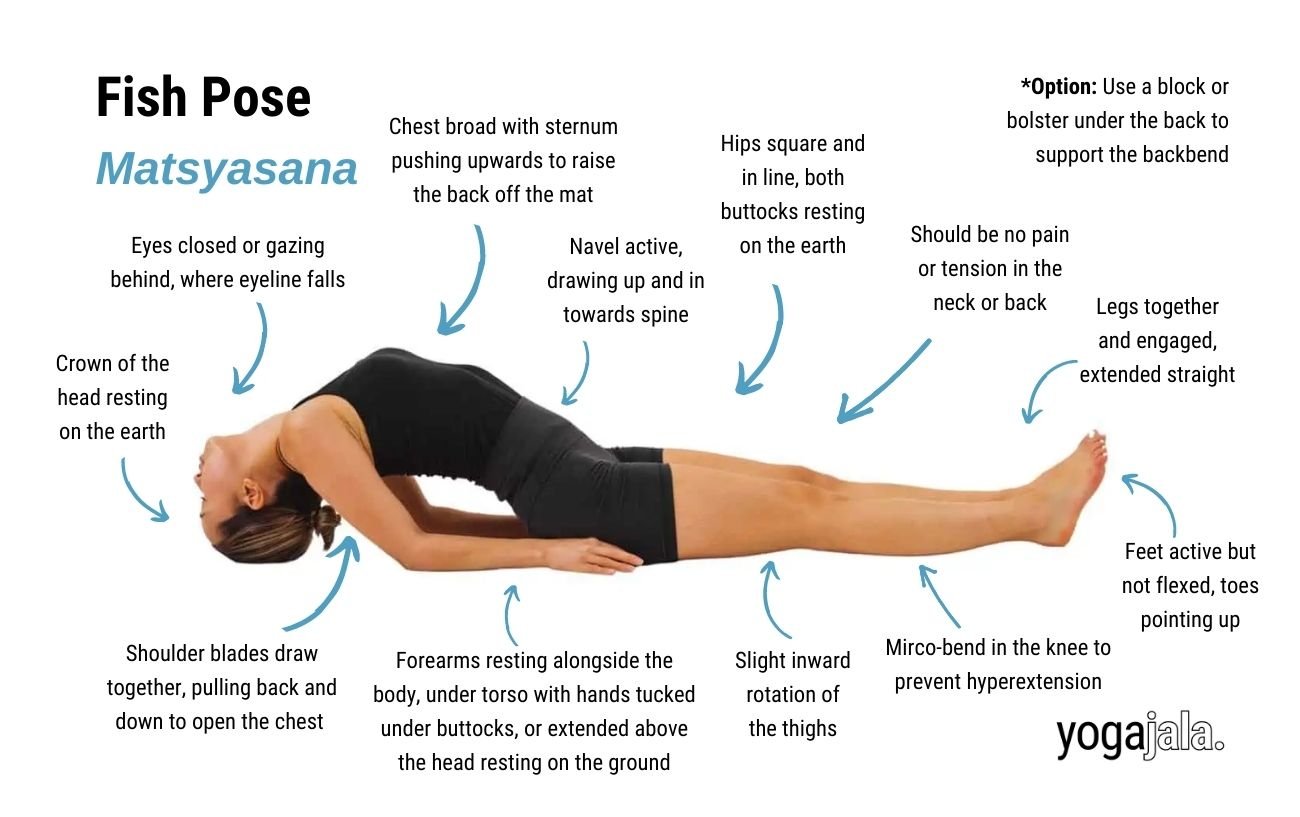
Follow these steps to practice Matsyasana correctly:
-
Starting Position
Lie flat on your back with legs extended and arms resting alongside the body. -
Hand Placement
Slide your hands underneath your hips, palms facing downward. -
Lift the Chest
Press the elbows and forearms into the mat and lift your chest upward. -
Arch the Back
Gently arch the upper back and tilt the head backward. -
Head Position
Rest the crown of the head lightly on the mat without putting pressure on the neck. -
Breathing
Breathe deeply and steadily, expanding the chest with each inhalation. -
Hold the Pose
Stay in the posture for 20–60 seconds depending on comfort. -
Release Slowly
Lift the head slightly, lower the chest, and relax back onto the mat.
Benefits of Matsyasana


Matsyasana offers multiple physical, mental, and emotional benefits:
1. Expands Lung Capacity
By opening the chest and rib cage, Matsyasana improves breathing and lung efficiency.
2. Strengthens the Spine
The backbend helps improve spinal flexibility and posture.
3. Stimulates the Throat Chakra
This pose activates the throat region, supporting thyroid function and hormonal balance.
4. Relieves Neck and Shoulder Tension
Gentle stretching reduces stiffness in the neck and shoulders.
5. Improves Digestion
The stretch stimulates abdominal organs, aiding digestion.
6. Reduces Stress and Fatigue
The pose refreshes the body and calms the mind.
Matsyasana and the Endocrine System
Matsyasana stimulates the thyroid and parathyroid glands, located in the throat region. Regular practice may help regulate metabolism, energy levels, and overall hormonal balance when combined with other yoga practices.
Precautions and Contraindications
Practice Matsyasana mindfully with these precautions:
-
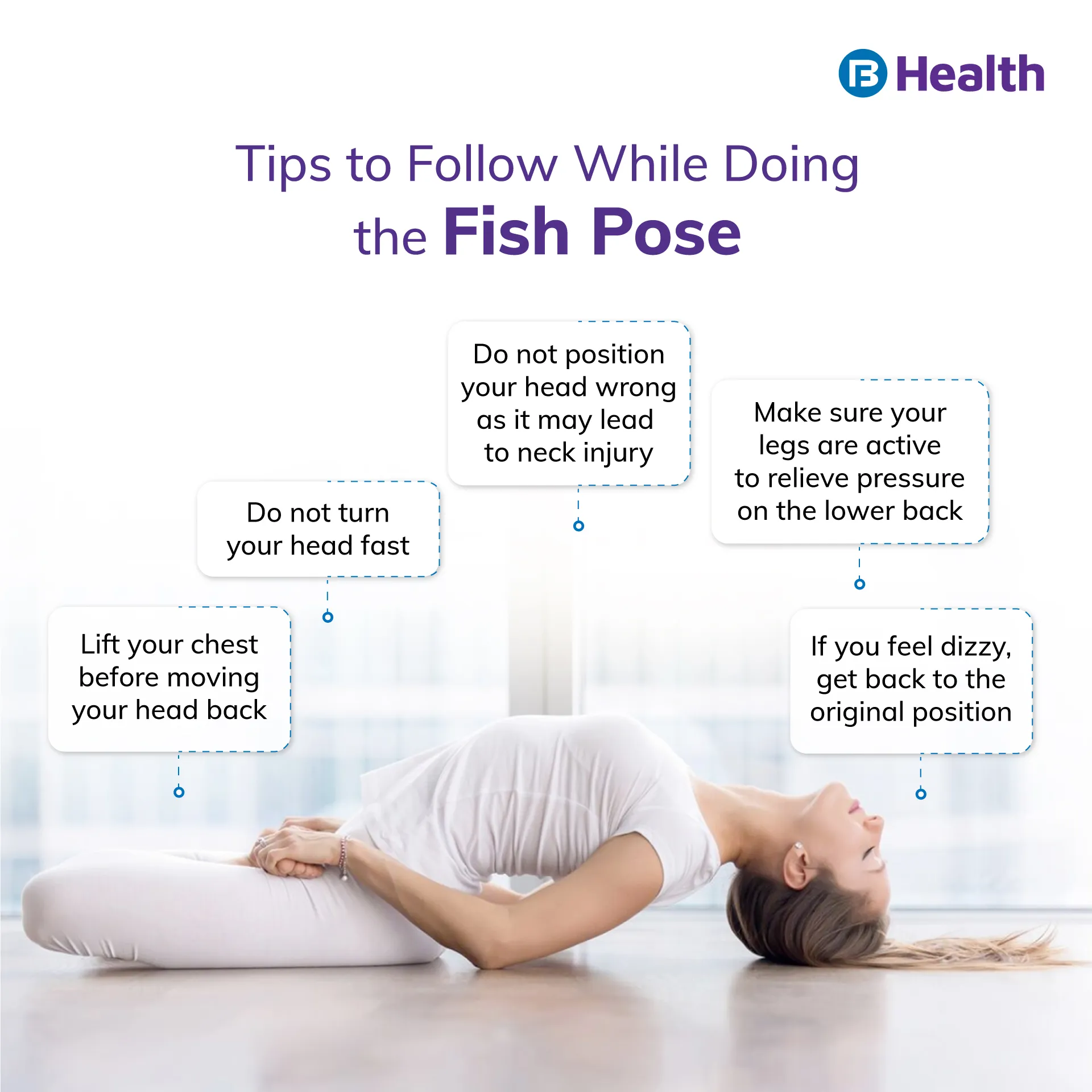
Avoid if you have neck, spine, or lower back injuries
-
Not recommended for high blood pressure or migraine
-
Avoid during pregnancy
-
Do not put body weight on the head
-
Always warm up before practicing
Variations of Matsyasana
-
Beginner Matsyasana – Use a yoga block or bolster under the back.
-
Lotus Fish Pose – Performed with legs in Padmasana (advanced).
-
Supported Matsyasana – Ideal for therapeutic and restorative yoga.
Best Time to Practice Matsyasana
-
Early morning on an empty stomach
-
Or evening, at least 4–5 hours after meals
-
Practice in a calm, well-ventilated space
Spiritual Significance of Matsyasana
In yogic philosophy, Matsyasana symbolizes awareness, flow, and spiritual awakening. It encourages openness of the heart and throat centers, promoting self-expression and emotional balance 🌿.
Conclusion
Matsyasana is a deeply rejuvenating yoga posture that opens the chest, strengthens the spine, and enhances breathing. When practiced regularly with proper alignment and breathing, it brings both physical vitality and mental clarity.
Whether used as a counter-pose or a standalone asana, Matsyasana reminds us to open ourselves—physically and emotionally—to balance, confidence, and inner peace.
Matsyasana teaches us to breathe freely, stay flexible, and move with the flow of life.