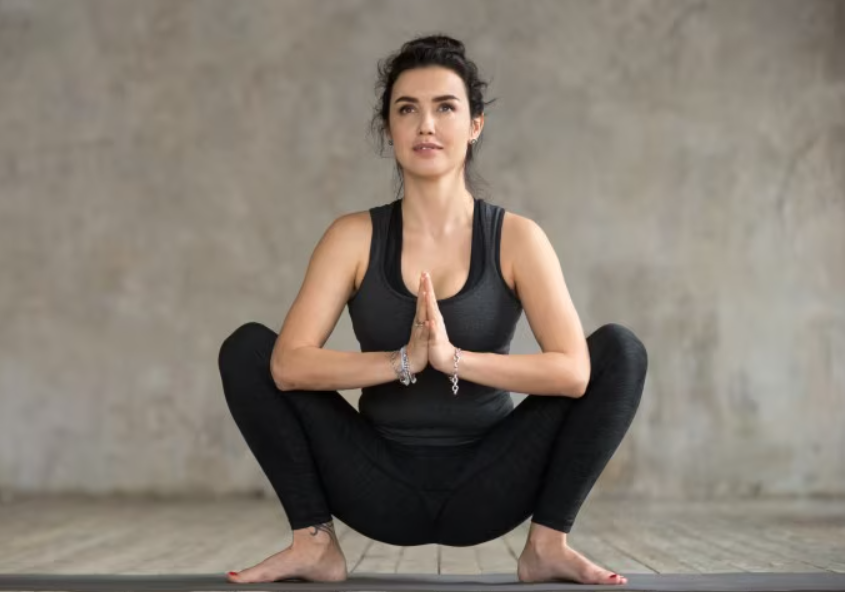
MALASANA
Introduction
Malasana Yogic Squat or Garland Pose, is a powerful yoga asana that promotes deep flexibility, strength, and grounding. It is a natural resting posture that has been practiced for centuries in Indian culture, especially during daily activities like eating, cooking, and resting. In modern times, however, prolonged sitting on chairs has reduced our ability to squat comfortably, leading to stiffness and reduced mobility.
helps restore this natural movement pattern. It is a simple yet highly effective posture that improves digestion, strengthens the lower body, opens the hips, and enhances overall body awareness. Suitable for beginners and advanced practitioners alike, plays a vital role in both traditional yoga and therapeutic practices.
This blog provides a detailed guide to including its meaning, steps, benefits, variations, precautions, and its importance in a healthy lifestyle.
Meaning of Malasana
The word Malasana comes from the Sanskrit words:
Mala – Garland
Asana – Posture
In this pose, the body resembles a garland hanging loosely, symbolizing letting go, grounding, and humility. Malasana encourages surrender, balance, and connection with the earth, making it both a physical and meditative posture.
Importance of Malasana in Yoga
Malasana is considered a foundational pose because it prepares the body for many advanced postures. It improves ankle, knee, and hip mobility while strengthening the core and pelvic floor muscles. This posture is especially beneficial in counteracting the effects of sedentary lifestyles.
From a yogic perspective, Malasana stimulates Apana Vayu, which governs elimination and reproductive functions. Proper flow of Apana Vayu leads to better digestion, detoxification, and emotional stability.
How to Perform (Step-by-Step Method)
Follow these steps carefully to practice Malasana safely:
Stand in Tadasana (Mountain Pose).
Keep your feet slightly wider than hip-width apart.
Turn your toes slightly outward.
Inhale deeply.
Exhale and slowly bend your knees, lowering your hips toward the floor.
Bring your hips as close to the ground as possible.
Keep your heels flat on the mat; if not, place a folded towel under them.
Join your palms together in Namaste Mudra at the chest.
Press your elbows gently against the inner knees.
Keep the spine straight and chest lifted.
Gaze forward or slightly downward.
Hold the pose for 20–60 seconds, breathing normally.
To release, inhale and slowly straighten the legs to return to standing.
Breathing
Breathing should be slow and controlled:
Inhale to lengthen the spine.
Exhale to deepen the squat.
Maintain steady, relaxed breathing.
Avoid holding the breath.
Proper breathing helps release tension and improves balance.
Physical Benefits
1. Improves Digestion
stimulates the abdominal organs, enhancing digestion and bowel movement.
2. Strengthens Lower Body
It strengthens the thighs, calves, ankles, and glute muscles.
3. Opens Hips and Groin
Regular practice increases flexibility in the hips and inner thighs.
4. Improves Ankle and Knee Mobility
enhances joint mobility and reduces stiffness.
5. Strengthens Core Muscles
Engaging the abdomen helps build core stability.
6. Improves Posture
This pose encourages spinal alignment and body awareness.
Mental and Emotional Benefits
1. Reduces Stress
The grounding nature of Malasana calms the nervous system.
2. Improves Focus
Balancing in the squat enhances concentration and mindfulness.
3. Encourages Emotional Release
Hip opening helps release stored emotional tension.
4. Promotes Inner Stability
The pose creates a sense of rootedness and calm.
Therapeutic Benefits
is beneficial for managing:
Constipation
Indigestion
Mild back pain
Pelvic floor weakness
Menstrual discomfort
Stress-related tension
It is often used in prenatal yoga and therapeutic yoga practices (with modifications).
Malasana offers special benefits for women:
Strengthens pelvic floor muscles
Supports reproductive health
Helps ease menstrual cramps
Prepares the body for childbirth
Improves hormonal balance
Beginners
Beginners may face difficulty due to tight hips or ankles. Helpful modifications include:
Placing a yoga block or rolled towel under the heels
Sitting on a low block for support
Keeping hands on the floor for balance
Holding the pose for shorter durations
Consistency is key to improvement.
Advanced Variations
1. Twisting Malasana
Add a spinal twist to improve digestion and spinal flexibility.
2. Bound Malasana
Arms are wrapped around the legs for deeper hip opening.
3. Malasana with Forward Fold
Combines squatting with a forward bend for relaxation.
Precautions and Contraindications
Avoid or modify if you have:
Severe knee injury
Ankle pain or instability
Recent hip or knee surgery
Severe lower back issues
Pregnant women should practice only under expert guidance.
Common Mistakes to Avoid
Lifting heels excessively
Rounding the spine
Collapsing the chest
Forcing the squat
Holding the breath
Best Time to Practice
Early morning on an empty stomach
Evening, 4–5 hours after meals
Practice on a flat, non-slip surface
Daily Yoga Practice
Malasana is commonly included in:
Warm-up routines
Hip-opening sequences
Digestive yoga flows
Grounding and relaxation practices
It pairs well with:
Tadasana
Baddha Konasana
Balasana
Shavasana
Scientific and Yogic Perspective
Scientifically, Malasana improves joint range of motion and enhances gut function through gentle abdominal compression. Yogically, it balances Apana Vayu, supporting elimination and detoxification.
Conclusion
Malasana is a simple yet deeply transformative yoga posture that reconnects the body with its natural movement patterns. It improves digestion, strengthens the lower body, enhances flexibility, and calms the mind. Despite its simplicity, Malasana offers profound physical and mental benefits when practiced regularly and mindfully.
Incorporating Malasana into your daily routine can help counteract the negative effects of a sedentary lifestyle and bring balance, stability, and vitality to your body and mind.