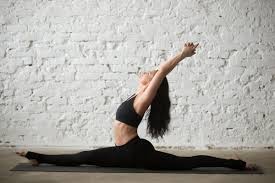
Hanumanasana
Importance of Hip-Opening Asanas in Yoga
Hip-opening postures like Hanumanasana play a crucial role in yoga practice. The hips store deep emotional tension and stress. Releasing this area promotes not only physical flexibility but also emotional balance.
Benefits of hip-opening asanas include:
-
Increased mobility and flexibility
-
Release of stored emotional stress
-
Improved posture and spinal alignment
-
Enhanced circulation in the pelvic region
-
Better balance and coordination
Hanumanasana is considered one of the deepest hip-opening postures in yoga.
Preparatory Poses for Hanumanasana
Because Hanumanasana is an advanced pose, proper preparation is essential. Regular practice of preparatory asanas helps prevent injury and improves flexibility.
Recommended preparatory poses include:
-
Anjaneyasana (Low Lunge)
-
Ashwa Sanchalanasana
-
Ardha Hanumanasana
-
Uttanasana
-
Paschimottanasana
-
Baddha Konasana
-
Upavistha Konasana
These poses gradually open the hips, hamstrings, quadriceps, and groin.
Step-by-Step Practice of Hanumanasana
How to Perform Hanumanasana
-
Begin in a kneeling position with the right foot forward in a low lunge.
-
Slowly straighten the right leg while sliding the left knee backward.
-
Keep the hips squared and facing forward.
-
Gradually lower the pelvis toward the floor as flexibility allows.
-
Place hands on the floor, yoga blocks, or beside the hips for support.
-
Once stable, bring the torso upright.
-
Join palms overhead or place hands on the heart center.
-
Hold the pose for 20–60 seconds with steady breathing.
-
Slowly release by bending the front knee and returning to kneeling.
-
Repeat on the opposite side.
Breathing Technique in Hanumanasana
Breath awareness is essential in Hanumanasana:
-
Inhale deeply to lengthen the spine.
-
Exhale slowly to relax the hips and deepen the stretch.
-
Maintain calm, rhythmic breathing throughout the pose.
Controlled breathing helps prevent strain and encourages safe progression.
Physical Benefits of Hanumanasana
1. Enhances Hip Flexibility
Hanumanasana deeply stretches the hip flexors, groin, and inner thighs, improving mobility.
2. Lengthens Hamstrings and Quadriceps
The pose provides an intense stretch to both legs, improving lower-body flexibility.
3. Improves Posture
By opening the hips and aligning the pelvis, Hanumanasana supports better posture.
4. Strengthens Lower Body Muscles
While stretching, the pose also strengthens the thighs, hips, and core muscles.
5. Boosts Blood Circulation
Improved circulation in the pelvic and leg regions enhances overall vitality.
Mental and Emotional Benefits
1. Builds Patience and Discipline
Achieving Hanumanasana requires time and consistent practice, teaching patience.
2. Reduces Stress and Anxiety
Deep hip opening releases stored emotional tension, promoting relaxation.
3. Enhances Focus and Determination
The pose demands mental concentration and resilience.
Therapeutic Benefits
Hanumanasana can be beneficial when practiced correctly for:
-
Mild sciatica (under guidance)
-
Hip stiffness
-
Tight hamstrings
-
Sedentary lifestyle-related issues
-
Emotional stress stored in hips
It should always be practiced mindfully and progressively.
Anatomy Involved in Hanumanasana
Muscles Stretched
-
Hamstrings
-
Hip flexors (Iliopsoas)
-
Quadriceps
-
Adductors
Muscles Engaged
-
Gluteal muscles
-
Core stabilizers
-
Lower back muscles
Joints Involved
-
Hip joints
-
Knee joints
-
Pelvic region
Understanding anatomy helps reduce injury risk.
Variations of Hanumanasana
1. Ardha Hanumanasana
A half-split variation ideal for beginners.
2. Supported Hanumanasana
Use yoga blocks or bolsters under the pelvis for support.
3. Twisted Hanumanasana
Adds a spinal twist for advanced practitioners.
Contraindications and Precautions
Avoid or modify Hanumanasana if you have:
-
Hamstring tears
-
Hip or knee injuries
-
Severe lower back pain
-
Pregnancy
Always warm up properly and consult a qualified yoga teacher.
Common Mistakes to Avoid
-
Forcing the split
-
Allowing hips to rotate outward
-
Holding the breath
-
Skipping warm-up
Mindful alignment ensures safety.
Hanumanasana in Yoga Sequences
Hanumanasana is best practiced:
-
After a thorough warm-up
-
In hip-opening or flexibility-focused sequences
-
Before cooling-down poses like forward bends
Spiritual Significance of Hanumanasana
Hanumanasana represents surrender, devotion, and limitless potential. Spiritually, the pose encourages practitioners to let go of fear and trust their inner strength. It symbolizes crossing inner obstacles with faith and courage, just as Lord Hanuman did.
Hanumanasana and Chakra Activation
The pose primarily activates:
-
Muladhara Chakra (Root Chakra)
-
Svadhisthana Chakra (Sacral Chakra)
Balancing these chakras enhances stability, creativity, and emotional balance.
Tips for Safe and Effective Practice
-
Practice regularly but patiently
-
Use props generously
-
Never compare progress with others
-
Respect your body’s limits
-
Preparatory Poses for Hanumanasana
Because Hanumanasana is an advanced pose, proper preparation is essential. Regular practice of preparatory asanas helps prevent injury and improves flexibility.
Recommended preparatory poses include:
-
Anjaneyasana (Low Lunge)
-
Ashwa Sanchalanasana
-
Ardha Hanumanasana
-
Uttanasana
-
Paschimottanasana
-
Baddha Konasana
-
Upavistha Konasana
These poses gradually open the hips, hamstrings, quadriceps, and groin.
Step-by-Step Practice of Hanumanasana
How to Perform Hanumanasana
-
Begin in a kneeling position with the right foot forward in a low lunge.
-
Slowly straighten the right leg while sliding the left knee backward.
-
Keep the hips squared and facing forward.
-
Gradually lower the pelvis toward the floor as flexibility allows.
-
Place hands on the floor, yoga blocks, or beside the hips for support.
-
Once stable, bring the torso upright.
-
Join palms overhead or place hands on the heart center.
-
Hold the pose for 20–60 seconds with steady breathing.
-
Slowly release by bending the front knee and returning to kneeling.
-
Repeat on the opposite side.
Breathing Technique in Hanumanasana
-
-
Breath awareness is essential in Hanumanasana:
-
Inhale deeply to lengthen the spine.
-
Exhale slowly to relax the hips and deepen the stretch.
-
Maintain calm, rhythmic breathing throughout the pose.
Controlled breathing helps prevent strain and encourages safe progression.
Physical Benefits of Hanumanasana
1. Enhances Hip Flexibility
Hanumanasana deeply stretches the hip flexors, groin, and inner thighs, improving mobility.
2. Lengthens Hamstrings and Quadriceps
The pose provides an intense stretch to both legs, improving lower-body flexibility.
3. Improves Posture
By opening the hips and aligning the pelvis, Hanumanasana supports better posture.
4. Strengthens Lower Body Muscles
While stretching, the pose also strengthens the thighs, hips, and core muscles.
5. Boosts Blood Circulation
Improved circulation in the pelvic and leg regions enhances overall vitality.
Mental and Emotional Benefits
1. Builds Patience and Discipline
Achieving Hanumanasana requires time and consistent practice, teaching patience.
2. Reduces Stress and Anxiety
Deep hip opening releases stored emotional tension, promoting relaxation.
3. Enhances Focus and Determination
The pose demands mental concentration and resilience.
Therapeutic Benefits
Hanumanasana can be beneficial when practiced correctly for:
-
Mild sciatica (under guidance)
-
Hip stiffness
-
Tight hamstrings
-
Sedentary lifestyle-related issues
-
Emotional stress stored in hips
It should always be practiced mindfully and progressively.
Anatomy Involved in Hanumanasana
Muscles Stretched
-
Hamstrings
-
Hip flexors (Iliopsoas)
-
Quadriceps
-
Adductors
Muscles Engaged
-
Gluteal muscles
-
Core stabilizers
-
Lower back muscles
Joints Involved
-
Hip joints
-
Knee joints
-
Pelvic region
Understanding anatomy helps reduce injury risk.
Variations of Hanumanasana
1. Ardha Hanumanasana
A half-split variation ideal for beginners.
2. Supported Hanumanasana
Use yoga blocks or bolsters under the pelvis for support.
3. Twisted Hanumanasana
Adds a spinal twist for advanced practitioners.
Contraindications and Precautions
Avoid or modify Hanumanasana if you have:
-
Hamstring tears
-
Hip or knee injuries
-
Severe lower back pain
-
Pregnancy
Always warm up properly and consult a qualified yoga teacher.
Common Mistakes to Avoid
-
Forcing the split
-
Allowing hips to rotate outward
-
Holding the breath
-
Skipping warm-up
Mindful alignment ensures safety.
Hanumanasana in Yoga Sequences
Hanumanasana is best practiced:
-
After a thorough warm-up
-
In hip-opening or flexibility-focused sequences
-
Before cooling-down poses like forward bends
Spiritual Significance of Hanumanasana
Hanumanasana represents surrender, devotion, and limitless potential. Spiritually, the pose encourages practitioners to let go of fear and trust their inner strength. It symbolizes crossing inner obstacles with faith and courage, just as Lord Hanuman did.
-
-
Hanumanasana and Chakra Activation
The pose primarily activates:
-
Muladhara Chakra (Root Chakra)
-
Svadhisthana Chakra (Sacral Chakra)
Balancing these chakras enhances stability, creativity, and emotional balance.
Tips for Safe and Effective Practice
-
Practice regularly but patiently
-
Use props generously
-
Never compare progress with others
-
Respect your body’s limits
Conclusion
Hanumanasana is a powerful and transformative yoga posture that challenges the body while nurturing the mind and spirit. Though demanding, the pose rewards consistent practice with improved flexibility, strength, emotional release, and inner confidence.
By approaching Hanumanasana with patience, humility, and devotion, practitioners can experience not just physical progress but also profound personal growth. Whether you aspire to achieve the full split or simply enjoy the journey, Hanumanasana offers invaluable lessons in discipline, surrender, and inner strength.
Also known as: Monkey Pose
Category: Seated Split / Hip Opener
Level: AdvancedDetailed Benefits of Hanumanasana (Expanded)
Improves Pelvic Alignment and Stability
Hanumanasana helps align the pelvis by evenly stretching the hip flexors and hamstrings. This balanced opening reduces anterior pelvic tilt and supports a neutral spine, which is essential for long-term lower back health.
Enhances Athletic Performance
Athletes and dancers benefit from increased stride length, hip mobility, and muscular coordination. Regular practice supports running, martial arts, and dance by improving range of motion and muscle efficiency.
Supports Reproductive and Urinary Health
By increasing circulation in the pelvic region, Hanumanasana may support healthy function of reproductive and urinary organs, particularly when combined with mindful breathing.
Encourages Emotional Release
Deep hip openers are known to release stored emotional tension. Practitioners often experience emotional lightness and calm after sustained, supported practice.
Hanumanasana for Beginners: A Safe Progression
Beginners should approach Hanumanasana gradually. Progression builds strength and flexibility while minimizing injury risk.
Week 1–2:
-
Ardha Hanumanasana
-
Low lunge with props
-
Gentle hamstring stretches
Week 3–4:
-
Supported half split with blocks
-
Longer holds in Anjaneyasana
-
Focus on breath control
Week 5–6:
-
Supported Hanumanasana with bolsters
-
Squaring the hips and engaging core
-
Short holds with mindful exits
Consistency is more important than depth.
Hanumanasana in a Daily Yoga Routine
A sample sequence to prepare for Hanumanasana:
-
Sukhasana with deep breathing
-
Cat–Cow Pose
-
Adho Mukha Svanasana
-
Low Lunge (Anjaneyasana)
-
Ardha Hanumanasana
-
Hanumanasana (supported or full)
-
Paschimottanasana
-
Shavasana
This sequence ensures adequate warm-up and safe release.
Use of Props in Hanumanasana
Props make the pose accessible and safe:
-
Yoga blocks: Support hands or pelvis
-
Bolsters: Cushion under hips
-
Blankets: Protect knees and add comfort
Using props allows longer holds and better alignment.
Hanumanasana and Breath Awareness
Synchronizing breath with movement enhances safety and depth:
-
Inhale to create length and space
-
Exhale to soften resistance
-
Maintain slow nasal breathing during holds
This breathing pattern activates the parasympathetic nervous system.
Common Alignment Cues
-
Keep hips squared and facing forward
-
Engage the core to protect the lower back
-
Flex the front foot to protect the knee
-
Avoid collapsing into the pelvis
Alignment awareness prevents overuse injuries.
Frequently Asked Questions (FAQs)
Is Hanumanasana suitable for beginners?
Hanumanasana is advanced, but beginners can practice supported and preparatory variations safely.How long does it take to achieve Hanumanasana?
Progress varies by individual. With consistent practice, improvements may appear in weeks, while full expression may take months or longer.Can Hanumanasana help with back pain?
When practiced correctly, it may relieve tension related to hip tightness, but it should be avoided during acute pain.Should Hanumanasana be practiced daily?
It can be practiced regularly with adequate warm-up and rest days as needed.Teaching Tips for Yoga Instructors
-
Encourage patience and non-competition
-
Offer prop options to all students
-
Emphasize breath over depth
-
Provide safe exit strategies
These cues create a supportive learning environment.
-