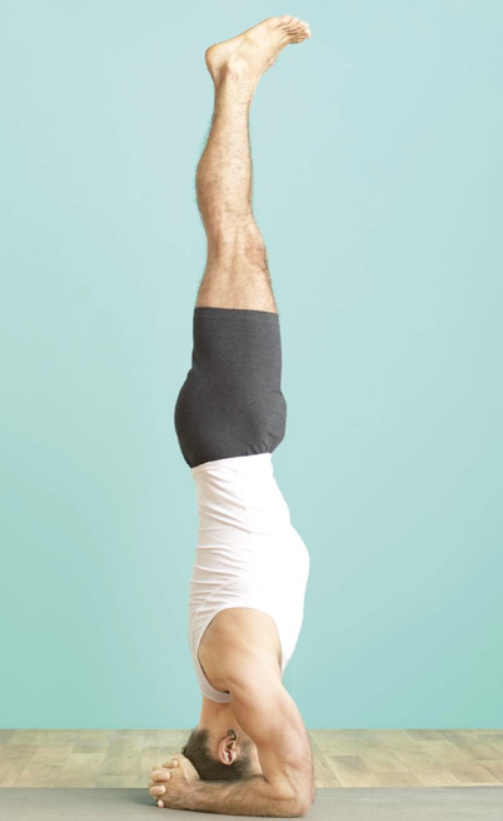
Garudasana
Garudasana in Yogic Tradition
Traditionally, Garudasana is practiced to:
Awaken Prana (life energy)
Balance Ida and Pingala nadis
Improve Dharana (concentration)
Ancient yogic texts describe balance postures like Garudasana as tools to stabilize the wandering mind and prepare the body for meditation.
Anatomy Involved in Garudasana
Garudasana works deeply on both the upper and lower body, making it a complete posture.
Major muscles engaged:
Quadriceps
Hamstrings
Calf muscles
Glute muscles
Hip flexors
Deltoids
Trapezius
Rhomboids
Core muscles
The pose also improves joint mobility, especially in:
Ankles
Knees
Hips
Shoulders
Wrists
Step-by-Step Procedure to Perform Garudasana
Follow these steps carefully to practice Garudasana safely and effectively:
Begin in Tadasana (Mountain Pose) with your feet together and arms by your sides.
Shift your weight onto your right foot.
Slowly lift your left leg and wrap it around your right leg. If possible, hook the left foot behind the right calf.
Bend your right knee slightly to maintain balance.
Extend your arms forward, then cross your right arm over the left.
Bend the elbows and try to bring the palms together, keeping elbows lifted at shoulder height.
Fix your gaze at a single point in front of you (Drishti) to help with balance.
Keep your spine straight and chest lifted.
Hold the pose for 20–40 seconds, breathing normally.
Slowly release and return to Tadasana.
Repeat on the opposite side.
Breathing Technique in Garudasana
Breath plays a vital role in maintaining stability in Garudasana.
Inhale deeply while preparing and lifting the leg.
Exhale gently as you wrap the leg and arms.
Maintain slow, steady breathing while holding the pose.
Inhale to release and return to the starting position.
Conscious breathing helps calm the nervous system and enhances balance.
Health Benefits of Garudasana
1. Improves Balance and Coordination
Garudasana trains the body to maintain equilibrium on one leg, improving neuromuscular coordination and stability.
2. Strengthens Legs and Ankles
The standing leg bears body weight, strengthening the thighs, calves, and ankles.
3. Enhances Shoulder Flexibility
The arm bind stretches the shoulders and upper back, relieving stiffness caused by poor posture or long sitting hours.
4. Boosts Concentration and Focus
Balancing poses demand mental awareness, improving focus, memory, and mindfulness.
5. Improves Blood Circulation
The twisting action encourages better blood flow throughout the body.
6. Reduces Stress and Anxiety
Garudasana calms the mind and helps release emotional tension stored in the shoulders and hips.
7. Improves Posture
Regular practice aligns the spine and corrects slouching shoulders.
8. Supports Joint Health
By gently compressing and releasing joints, Garudasana improves lubrication and flexibility.
Garudasana for Mental Health
Garudasana is highly beneficial for mental well-being. The pose requires full attention, which helps break patterns of anxiety and overthinking. It promotes mindfulness, emotional balance, and inner calm.
Practicing Garudasana regularly can help with:
Stress management
Mental fatigue
Lack of focus
Emotional instability
Garudasana for Different Age Groups
For Beginners
Beginners can:
Keep the lifted foot resting on the floor instead of wrapping
Use a wall for support
Avoid deep arm binding initially
For Office Workers
Garudasana helps counteract:
Shoulder stiffness
Neck pain
Poor posture from desk work
For Seniors
With modifications and support, seniors can practice Garudasana to improve balance and prevent falls.
Variations of Garudasana
1. Modified Garudasana
Keep toes of the lifted foot touching the floor for support.
2. Chair Garudasana
Performed sitting on a chair, ideal for people with knee or balance issues.
3. Garudasana Squat
A deeper version that increases leg strength and hip flexibility.
Common Mistakes to Avoid
Rounding the spine
Dropping elbows too low
Locking the standing knee
Holding breath
Rushing into the pose without warm-up
Awareness of these mistakes helps prevent injuries.
Precautions and Contraindications
Avoid or modify Garudasana if you have:
Recent knee injury
Severe ankle pain
Shoulder injury
High blood pressure (practice gently)
Vertigo or balance disorders
Always consult a qualified yoga instructor or healthcare professional if unsure.
Best Time to Practice Garudasana
Early morning on an empty stomach is ideal
Can also be practiced in the evening, at least 4 hours after meals
Practice on a flat, non-slippery surface
Garudasana in Yoga Sequences
Garudasana is often included in:
Standing pose sequences
Balance-focused yoga flows
Stress-relief routines
Warm-ups for deeper hip and shoulder stretches
Garudasana and Spiritual Awareness
Beyond physical benefits, Garudasana enhances spiritual awareness. It cultivates discipline, patience, and inner stability. Holding the pose amidst physical challenge teaches the practitioner to remain calm and centered in difficult situations.
Tips for Mastery
Practice near a wall initially
Focus on a steady gaze
Warm up hips and shoulders beforehand
Be patient with balance development
Practice regularly for lasting benefits
Alignment Cues for Perfect Garudasana
Correct alignment ensures maximum benefit and minimizes the risk of injury.
Lower Body Alignment:
Keep the standing foot firmly rooted
Distribute weight evenly across heel, big toe, and little toe
Engage quadriceps to protect the knee
Avoid collapsing the standing hip
Upper Body Alignment:
Lift elbows to shoulder height
Keep shoulders relaxed, not hunched
Draw shoulder blades slightly inward
Keep neck long and relaxed
Spine and Head:
Maintain a neutral spine
Avoid leaning forward excessively
Keep chin parallel to the floor
Focus gaze at a fixed point (Drishti)
Use of Props in Garudasana
Props make Garudasana accessible for all levels.
Recommended Props:
Yoga block: Place under lifted foot if balance is difficult
Wall: Stand close for support
Chair: For seated Garudasana
Yoga strap: For arm binding if shoulders are tight
Using props does not reduce benefits; instead, it enhances awareness and safety.
Garudasana in Yoga Therapy for Office Workers
Modern lifestyle often leads to rounded shoulders, tight hips, and weak legs. Garudasana directly addresses these issues.
Benefits for Desk Workers:
Releases shoulder tension
Improves posture alignment
Reduces neck stiffness
Strengthens legs weakened by prolonged sitting
Enhances focus and productivity
Practicing Garudasana during short yoga breaks can refresh both body and mind.
Garudasana and Chakras
Garudasana primarily activates the following chakras:
1. Muladhara Chakra (Root Chakra)
Improves grounding and stability
Builds confidence and security
2. Manipura Chakra (Solar Plexus)
Enhances willpower and inner strength
Improves digestion and metabolism
3. Anahata Chakra (Heart Chakra)
Opens shoulders and chest
Encourages emotional balance and compassion
Garudasana According to Ayurveda
From an Ayurvedic perspective, Garudasana balances Vata and Kapha doshas.
Vata balance: Improves stability, reduces anxiety
Kapha balance: Enhances circulation, reduces lethargy
Pitta individuals should practice gently, avoiding strain
Practicing Garudasana with slow breathing keeps the doshas in harmony.
Garudasana with Pranayama Integration
Combining Garudasana with controlled breathing deepens its effects.
Recommended Pranayama:
Ujjayi Breathing: Improves focus and stamina
Nadi Shodhana (after practice): Balances nervous system
Bhramari (post-practice): Relieves mental tension
Never force breath retention while holding the pose.
Garudasana in Daily Yoga Routine
Garudasana fits well into a balanced yoga sequence.
Sample Flow Placement:
Tadasana
Vrikshasana
Garudasana
Trikonasana
Virabhadrasana II
Adho Mukha Svanasana
Shavasana
Practicing Garudasana after warm-up poses improves balance quality.
Scientific Perspective on Balance Poses
Modern studies show that single-leg balance poses like Garudasana:
Improve proprioception
Enhance neuromuscular coordination
Reduce fall risk
Improve cognitive function
The brain-body connection strengthened in Garudasana is especially beneficial for aging populations.
Common FAQs About Garudasana
Is Garudasana suitable for beginners?
Yes, with modifications and wall support.
How long should Garudasana be held?
20–40 seconds per side for beginners, up to 1 minute for advanced practitioners.
Can Garudasana help with weight loss?
Indirectly yes, as it tones muscles and improves metabolism when combined with regular practice.
Is Garudasana safe during pregnancy?
It is generally not recommended due to balance challenges unless guided by a prenatal yoga expert.
Myths About Garudasana
❌ “Garudasana is only for advanced yogis”
✅ With modifications, anyone can practice it.❌ “Losing balance means failure”
✅ Losing balance is part of learning and improving awareness.❌ “More wrapping equals better pose”
✅ Proper alignment matters more than depth.Garudasana for Spiritual Growth
Garudasana teaches steadiness amid complexity. When the body is twisted and bound, the mind learns to remain calm. This reflects yogic philosophy—finding stillness in chaos.
Regular practice cultivates:
Discipline
Patience
Inner strength
Emotional resilience