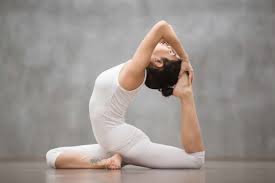
Eka Pada Rajakapotasana
Meaning and Sanskrit Breakdown of Eka Pada Rajakapotasana
The Sanskrit name reveals the depth of the posture:
-
Eka – One
-
Pada – Leg
-
Raja – King
-
Kapota – Pigeon
-
Asana – Pose
Eka Pada Rajakapotasana translates to One-Legged King Pigeon Pose. The posture symbolizes grace, devotion, surrender, and inner royalty. In yogic symbolism, the pigeon represents peace and emotional openness, while the king signifies mastery and inner strength.
Origin and Yogic Philosophy
Eka Pada Rajakapotasana has roots in classical Hatha Yoga texts, where deep hip openers and backbends were used to prepare the body for prolonged meditation and spiritual awakening. In yogic philosophy, the hips are believed to store deep-seated emotions, fears, and samskaras (mental impressions). This asana facilitates the release of these stored tensions.
The heart-opening nature of the pose encourages compassion, courage, and emotional vulnerability, aligning the practitioner with higher states of awareness.
Classification of Eka Pada Rajakapotasana
-
Category: Backbend + Hip Opener
-
Position: Seated / Prone
-
Level: Advanced (with beginner variations)
-
Plane of Movement: Sagittal and frontal
-
Energy: Grounding yet uplifting
Preparatory Poses for Eka Pada Rajakapotasana
Proper preparation is essential for safe practice.
Recommended preparatory asanas:
-
Baddha Konasana
-
Supta Baddha Konasana
-
Anjaneyasana
-
Low Lunge
-
Bhujangasana
-
Ustrasana
-
Gomukhasana
-
Ardha Matsyendrasana
These poses warm up the hips, spine, thighs, and shoulders.
Step-by-Step Practice of Eka Pada Rajakapotasana
How to Perform Eka Pada Rajakapotasana Safely
-
Begin in Adho Mukha Svanasana (Downward-Facing Dog).
-
Bring the right knee forward behind the right wrist.
-
Extend the left leg straight back, keeping hips square.
-
Lower the pelvis gently toward the mat.
-
Lift the torso and lengthen the spine.
-
Bend the back knee and reach for the foot with hands.
-
Draw the foot toward the head, opening the chest.
-
Maintain steady breathing and relaxed facial muscles.
-
Hold the pose for 20–60 seconds.
-
Release gently and repeat on the other side.
Alignment Principles and Safety Tips
-
Keep hips as square as possible
-
Avoid collapsing into the lower back
-
Engage the core gently
-
Distribute weight evenly
-
Move slowly and mindfully
Alignment awareness protects the knees and spine.
Breathing Technique in Eka Pada Rajakapotasana
Breath is crucial for depth and safety:
-
Inhale to lift the chest and lengthen spine
-
Exhale to soften hips and thighs
-
Maintain smooth nasal breathing
Breath helps release tension and deepen the posture.
Physical Benefits of Eka Pada Rajakapotasana
Deep Hip Opening
This pose stretches hip flexors, glutes, and adductors.
Improves Spinal Flexibility
The backbend enhances spinal extension and posture.
Strengthens Lower Body
Quadriceps, hamstrings, and stabilizers become stronger.
Expands the Chest and Lungs
Improves breathing capacity and lung function.
Enhances Blood Circulation
Promotes oxygen flow throughout the body.
Mental and Emotional Benefits
Emotional Release
Deep hip opening can release stored emotions.
Reduces Stress and Anxiety
Activates parasympathetic nervous system.
Builds Focus and Patience
Encourages mindful awareness and discipline.
Increases Confidence
Mastery of the pose boosts self-belief.
Therapeutic Applications
Eka Pada Rajakapotasana may support:
-
Mild depression
-
Emotional trauma release
-
Postural imbalances
-
Hip stiffness
-
Sedentary lifestyle recovery
Practice therapeutically under guidance.
Eka Pada Rajakapotasana for Athletes
This pose is beneficial for runners, cyclists, dancers, and martial artists by releasing hip tightness and improving mobility.
Women’s Health Benefits
-
Supports reproductive health
-
Helps relieve menstrual discomfort
-
Improves pelvic circulation
Not recommended during pregnancy without modification.
Anatomy Involved in Eka Pada Rajakapotasana
Muscles Stretched
-
Iliopsoas
-
Quadriceps
-
Gluteus maximus
-
Piriformis
-
Hip adductors
Muscles Strengthened
-
Spinal extensors
-
Core stabilizers
-
Hamstrings
Variations of Eka Pada Rajakapotasana
Mermaid Pose Variation
Adds shoulder opening and elegance.
Supported Eka Pada Rajakapotasana
Uses blocks and straps for accessibility.
Forward Fold Pigeon
Gentler alternative for beginners.
Use of Props in Eka Pada Rajakapotasana
-
Yoga blocks for hip support
-
Strap for foot binding
-
Bolsters for comfort
Props enhance safety and longevity of practice.
Contraindications and Precautions
Avoid or modify if you have:
-
Knee injuries
-
Hip replacement
-
Severe lower back pain
-
Shoulder injuries
Never force depth.
Common Mistakes to Avoid
-
Forcing the backbend
-
Ignoring knee discomfort
-
Holding breath
-
Rushing into full expression
Eka Pada Rajakapotasana in Yoga Sequences
Ideal placement:
-
After warm-up
-
In hip-opening flows
-
Before restorative poses
Pairs well with forward bends afterward.
Chakra Activation in Eka Pada Rajakapotasana
-
Svadhisthana Chakra (Sacral Chakra)
-
Anahata Chakra (Heart Chakra)
Supports creativity, love, and emotional balance.
Spiritual Significance of Eka Pada Rajakapotasana
This posture represents surrender, devotion, and transformation. By opening the heart and hips, the practitioner learns humility, patience, and trust in the process of growth.
Teaching Tips for Yoga Instructors
-
Offer step-by-step progressions
-
Encourage emotional awareness
-
Emphasize breath over depth
Frequently Asked Questions (FAQs)
Is Eka Pada Rajakapotasana suitable for beginners?
No, beginners should start with simpler pigeon variations.
How long should the pose be held?
20–60 seconds or longer with experience.
Can it be practiced daily?
Yes, with proper warm-up and rest days.