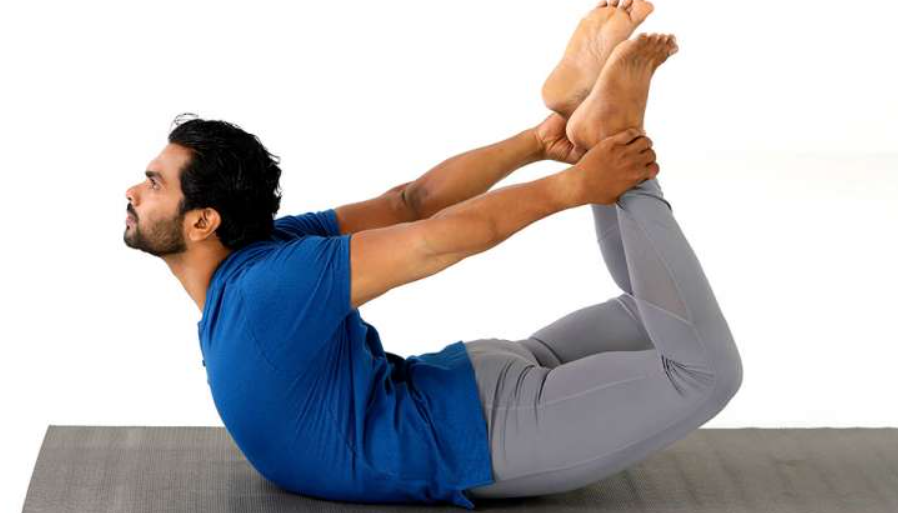
DHANURASANA
- Dhanurasana (Bow Pose): Benefits, Steps, and Precautions
Dhanurasana, commonly known as Bow Pose, is a powerful back-bending yoga posture named after the shape the body forms, similar to a stretched bow. This asana is widely practiced in yoga routines for improving flexibility, strengthening muscles, and energizing the entire body. Dhanurasana is suitable for beginners as well as experienced yoga practitioners when performed correctly with proper breathing.
What is Dhanurasana?
The word Dhanurasana comes from Sanskrit: “Dhanu” meaning bow and “Asana” meaning posture. In this pose, the chest and legs lift off the ground while the body balances on the abdomen, creating a bow-like shape. It primarily targets the spine, abdomen, thighs, chest, and shoulders.
Benefits of Dhanurasana
Dhanurasana offers a wide range of physical and mental benefits:
-
Strengthens Back and Spine
This pose helps strengthen the spinal muscles and improves posture. Regular practice can reduce back stiffness and fatigue. -
Improves Digestion
The pressure on the abdomen stimulates digestive organs, helping improve digestion and reduce constipation. -
Enhances Flexibility
Dhanurasana stretches the chest, shoulders, thighs, and hip flexors, increasing overall body flexibility. -
Boosts Lung Capacity
The expansion of the chest during the pose helps improve breathing capacity and supports respiratory health. -
Tones Abdominal Muscles
It strengthens the core muscles and helps reduce excess belly fat when practiced consistently. -
Reduces Stress and Fatigue
This energizing posture stimulates the nervous system, reducing stress, anxiety, and tiredness. -
Improves Blood Circulation
The pose enhances blood flow throughout the body, keeping organs active and healthy.
Step-by-Step Method to Do Dhanurasana
Follow these steps carefully to practice Dhanurasana safely:
-
Lie flat on your stomach on a yoga mat. Keep your legs slightly apart and arms by your sides.
-
Bend your knees and bring your heels close to your hips.
-
Hold your ankles with your hands.
-
Inhale deeply and lift your chest and thighs off the floor simultaneously.
-
Pull your legs gently upward while keeping your gaze forward.
-
Balance your body on your abdomen and maintain normal breathing.
-
Hold the pose for 15–30 seconds (or as comfortable).
-
Slowly exhale and release the pose, returning to the starting position.
Repeat 2–3 times for best results.
Precautions and Contraindications
Although Dhanurasana is highly beneficial, it should be avoided or practiced cautiously in certain conditions:
-
People with back injuries, hernia, or slip disc should avoid this pose.
-
Avoid during pregnancy.
-
Those with high blood pressure, migraine, or neck injuries should consult a yoga expert before practicing.
-
Always warm up properly before attempting deep back bends.
Best Time to Practice Dhanurasana
The ideal time to perform Dhanurasana is early morning on an empty stomach or in the evening, at least 4–5 hours after a meal. Practicing it in a calm and well-ventilated space enhances its benefits.
Conclusion
Dhanurasana is an excellent yoga posture for overall physical fitness and mental well-being. By strengthening the back, improving digestion, and increasing flexibility, it supports a healthy lifestyle. When practiced regularly with correct technique and awareness, Dhanurasana can help rejuvenate the body and mind. Always listen to your body and practice under guid if you are a beginner.
Inco rporate Dhanurasana into your daily yoga routine and experience its transformative benefits naturally. 🌿