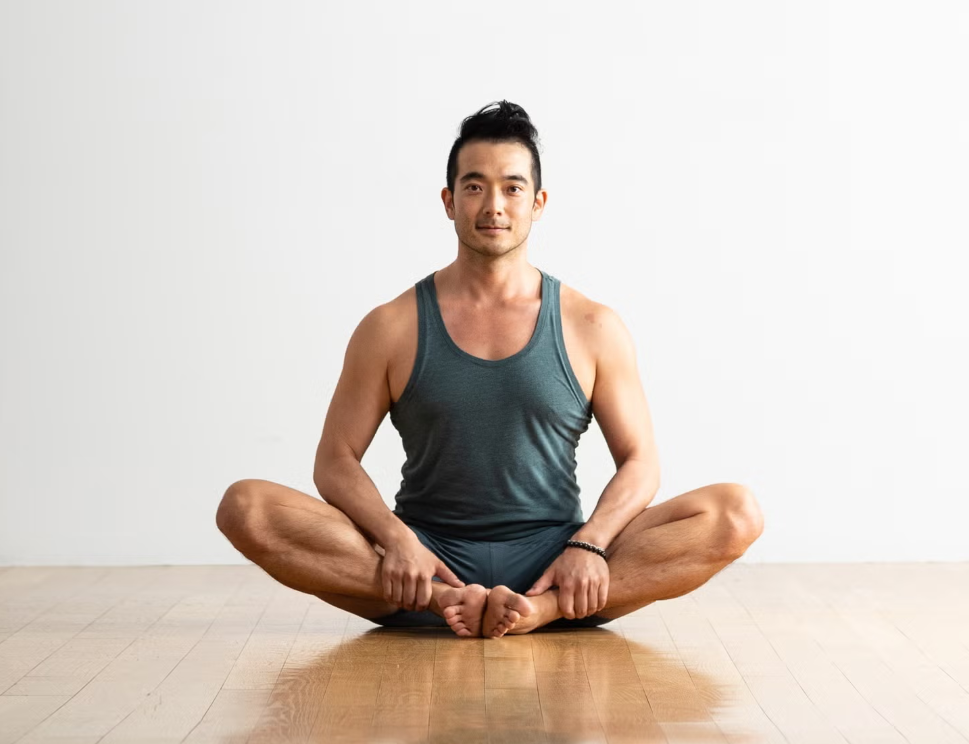
BADDHA KONASANA
Introduction
Yoga is a timeless practice that promotes harmony between the body, mind, and soul. Among the many seated yoga postures, also known as Bound Angle Pose or Butterfly Pose, is one of the most effective and widely practiced asanas. This posture focuses on opening the hips, improving flexibility, and calming the nervous system.
especially popular because it is simple, gentle, and suitable for all age groups, from beginners to advanced practitioners. It is commonly practiced in Hatha Yoga, prenatal yoga, therapeutic yoga, and meditation sessions. Regular practice of this asana helps improve posture, digestion, circulation, and mental relaxation.
Meaning
The name comes from three Sanskrit words:
Baddha – Bound
Kona – Angle
Asana – Posture
Thus, means “The Bound Angle Pose.” In this posture, the soles of the feet are bound together, forming an angle with the legs. Because of the gentle flapping movement of the knees, it is also commonly called the Butterfly Pose.
This pose symbolizes openness, stability, and balance, both physically and mentally.
Importance of in Yoga
plays a vital role in yoga practice because:
It opens the hip joints
It improves pelvic flexibility
It prepares the body for meditation
It supports reproductive and digestive health
It calms the mind and emotions
This asana is often used as a preparatory pose for deeper hip-opening postures and meditation.
Step-by-Step Procedure
Follow these steps to practice correctly:
Sit on a yoga mat in (legs extended forward).
Bend both knees and bring the soles of the feet together.
Pull the feet closer to the pelvis as much as comfortable.
Hold the feet or ankles with both hands.
Sit upright with the spine straight.
Relax the shoulders and neck.
Gently move the knees up and down like butterfly wings (optional).
Breathe slowly and deeply.
Hold the posture for 30 seconds to 2 minutes.
Slowly release and relax the legs.
Breathing Technique
Breathing should be slow, deep, and rhythmic:
Inhale deeply through the nose.
Exhale slowly, relaxing the hips and thighs.
Focus on releasing tension with each exhalation.
Proper breathing enhances relaxation and improves the benefits of the pose.
Duration and Best Time to Practice
Duration: 30 seconds to 3 minutes
Best Time: Early morning on an empty stomach or evening after a gap of 4–5 hours after meals
B can also be practiced during menstrual discomfort or as a relaxation pose.
Benefits
1. Improves Hip Flexibility
This pose gently stretches the hips, thighs, and groin, improving flexibility.
2. Strengthens Pelvic Muscles
It tones and strengthens pelvic and inner thigh muscles.
3. Improves Digestion
The posture stimulates abdominal organs and improves digestion.
4. Reduces Stress and Anxiety
calms the nervous system and relaxes the mind.
5. Improves Blood Circulation
It improves circulation in the pelvic region and lower body.
6. Helps in Menstrual Health
This pose helps reduce menstrual pain and discomfort.
7. Improves Posture
Regular practice helps correct posture and spinal alignment.
Therapeutic Benefits
Menstrual cramps
PCOS and reproductive issues
Digestive disorders
Mild depression and anxiety
Lower back stiffness
Stress-related fatigue
It is often recommended in therapeutic and prenatal yoga for Women
especially beneficial for women because:
It supports reproductive health
It reduces menstrual pain
It improves pelvic flexibility
It prepares the body for childbirth
It improves hormonal balance
Pregnant women often practice a modified version under guidance.
Precautions and Contraindications
Although is safe, follow these precautions:
Avoid if you have severe knee or hip injury
Do not force the knees to touch the floor
Use cushions or blocks for support if needed
Pregnant women should practice under expert guidance
Stop if you feel pain or discomfort
Common Mistakes to Avoid
Slouching the spine
Forcing the knees downward
Holding the breath
Overstretching the groin
Practicing immediately after meals
Correct posture and breathing are essential for safety and effectiveness.
Variations
1. Forward Bending
Bend forward gently from the hips for deeper stretch.
2. Supported
Place cushions under the knees for comfort.
3. Reclining
Lie back with support for deep relaxation.
for Beginners
Beginners may experience tight hips. Helpful tips:
Sit on a folded blanket
Keep the feet slightly away from the pelvis
Practice for shorter durations
Focus on relaxation, not depth
Regular practice improves flexibility gradually.
Students and Office Workers
This pose is highly beneficial for:
Reducing stress from studies or work
Relieving lower back stiffness
Improving concentration
Relaxing the body after long sitting hours
Spiritual Aspect
Spiritually encourages openness, grounding, and inner balance. It helps release stored emotions in the hips and promotes a sense of calm and stability. Practicing this pose with awareness enhances mindfulness and emotional well-being.
Daily Yoga Routine
This asana can be included:
As a warm-up or cool-down pose
Before meditation
During menstrual discomfort
In restorative yoga sessions
It fits easily into both short and long yoga routines.
Conclusion
gentle yet powerful yoga posture that offers numerous physical, mental, and emotional benefits. It improves hip flexibility, supports reproductive health, calms the nervous system, and prepares the body for meditation. Suitable for all age groups, this asana is an excellent addition to any yoga practice.
By practicing regularly with correct posture and breathing, one can experience improved flexibility, reduced stress, better digestion, and overall well-being. This simple posture teaches us the importance of patience, openness, and balance in both yoga and daily life.
Practice daily to feel relaxed, flexible, and balanced—inside and out.