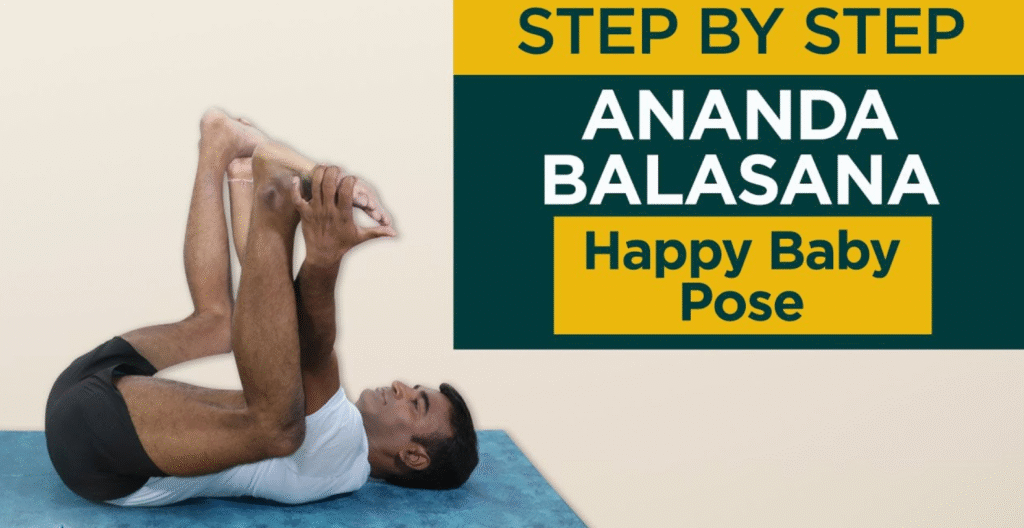
ANANDA BALASANA
Introduction to Ananda Balasan
Yoga is not only about physical exercise; it is a holistic practice that brings joy, relaxation, and balance to life. One such joyful and calming yoga posture is Ananda commonly known as Happy Baby Pose. This asana is playful in appearance but deeply therapeutic in effect. It reminds us of the innocence and happiness of a baby lying on its back, holding its feet and smiling freely.
Ananda Balasana is a reclining yoga posture that gently stretches the hips, thighs, groin, and spine. It is often practiced at the end of a yoga session to release tension and bring relaxation to the body and mind. This pose is suitable for beginners as well as advanced practitioners and is especially loved for its stress-relieving benefits.
Meaning of Ananda Balasana
The name Ananda Balasana is derived from Sanskrit words:
-
Ananda – Bliss or happiness
-
Bala – Child or baby
-
Asana – Posture
Thus, Ananda Balasana means “The Happy Baby Pose.” The posture reflects joy, ease, and relaxation. It encourages us to let go of stiffness, stress, and seriousness, and reconnect with a feeling of comfort and happiness.
Importance of Ananda Balasana in Yoga
Ananda Balasana plays an important role in yoga practice because:
-
It releases tension in the lower back and hips
-
It calms the nervous system
-
It improves body awareness
-
It prepares the body for deep relaxation or meditation
This asana is commonly included in Hatha Yoga, Vinyasa Yoga, and Restorative Yoga sessions.
Step-by-Step Procedure of Ananda Balasana
Follow these steps to practice Ananda Balasana safely and correctly:
-
Lie down on your back on a yoga mat.
-
Bend both knees and bring them toward your chest.
-
Open the knees wider than the torso.
-
Hold the outer edges of your feet with your hands.
-
Keep the ankles directly above the knees.
-
Press the feet gently into the hands.
-
Relax the shoulders and keep the spine flat on the floor.
-
Breathe deeply and stay relaxed.
-
You may gently rock side to side for comfort.
-
Hold the pose for 30 seconds to 1 minute or longer if comfortable.
Breathing Technique in Ananda Balasana
Breathing should be slow, deep, and relaxed:
-
Inhale deeply through the nose.
-
Exhale slowly, releasing tension from the body.
-
Focus on the breath moving into the hips and lower back.
Proper breathing enhances relaxation and helps calm the mind.
Duration and Best Time to Practice
-
Duration: 30 seconds to 2 minutes
-
Best Time: Morning on an empty stomach or evening after yoga practice
This pose is excellent for cooling down after intense asanas.
Benefits of Ananda Balasana
1. Relieves Lower Back Pain
Ananda Balasana gently stretches the spine and releases stiffness in the lower back.
2. Opens Hips and Groin
It improves flexibility in the hips, thighs, and groin muscles.
3. Reduces Stress and Anxiety
The pose has a calming effect on the nervous system, helping reduce stress and mental fatigue.
4. Improves Digestion
Gentle pressure on the abdomen stimulates digestive organs.
5. Enhances Mind-Body Connection
This asana improves body awareness and relaxation.
6. Releases Emotional Tension
Hips store emotional stress; opening them helps emotional release.
7. Improves Sleep Quality
Practicing this pose before bedtime promotes better sleep.
Therapeutic Benefits of Ananda Balasana
Ananda Balasana is helpful in managing:
-
Mild depression and anxiety
-
Insomnia
-
Lower back stiffness
-
Menstrual discomfort
-
Fatigue and stress
It is often recommended as a restorative and therapeutic pose.
Precautions and Contraindications
Although Ananda Balasana is gentle, certain precautions are important:
-
Avoid if you have knee or hip injury
-
Pregnant women should practice only under guidance
-
Do not pull the legs forcefully
-
Keep the neck and shoulders relaxed
-
Stop if pain or discomfort occurs
Common Mistakes to Avoid
-
Lifting the head or shoulders off the mat
-
Locking the knees
-
Holding the breath
-
Forcing the hips to open
-
Overstretching the groin muscles
Variations of Ananda Balasana
1. One-Legged Happy Baby
Practice one leg at a time for beginners.
2. Supported Happy Baby
Use a yoga strap or towel around the feet.
3. Rocking Happy Baby
Gently rock side to side to massage the spine.
Ananda Balasana for Beginners
Beginners may feel tightness in the hips. Modifications include:
-
Holding behind the thighs instead of feet
-
Using a strap for support
-
Practicing for a shorter duration
Consistency will improve flexibility over time.
Ananda Balasana for Students and Office Workers
This asana is highly beneficial for:
-
Reducing academic and work-related stress
-
Releasing lower back stiffness from long sitting hours
-
Improving posture and relaxation
-
Refreshing the mind
Spiritual Aspect of Ananda Balasana
Spiritually, Ananda Balasana represents letting go, surrender, and joy. The posture encourages us to release control and trust the process of life. It helps cultivate inner peace and emotional balance.
Ananda Balasana in Daily Yoga Routine
Ananda Balasana can be practiced:
-
After intense hip-opening poses
-
Before meditation or Savasana
-
At night for relaxation
-
During stress or anxiety
It fits perfectly into both short and long yoga routines.
Conclusion
Ananda Balasana is a joyful, calming, and deeply relaxing yoga posture that benefits both the body and mind. It gently stretches the hips, spine, and groin while calming the nervous system and reducing stress. Suitable for all age groups, this pose brings comfort, flexibility, and emotional release.
By practicing Ananda Balasana regularly with awareness and proper breathing, one can experience improved relaxation, better digestion, emotional balance, and a happier state of mind. Truly, the Happy Baby Pose reminds us to reconnect with simplicity, joy, and inner peace.
Practice Ananda Balasana daily to feel light, relaxed, and joyful—just like a happy baby.