Introduction
Vajrasana, commonly known as the Thunderbolt Pose or Diamond Pose, is one of the most unique and accessible yoga asanas. Unlike most yoga postures that are recommended on an empty stomach, Vajrasana is traditionally practiced after meals, especially following lunch or dinner. This makes it highly valuable in daily life, particularly for improving digestion and cultivating mindfulness.
Rooted deeply in yogic tradition, Vajrasana is not merely a physical posture but also a meditative seat widely used for pranayama, mantra chanting, and meditation. The name “Vajra” means thunderbolt or diamond, symbolizing strength, stability, and unwavering focus. Regular practice of helps build both physical endurance and mental calmness.
This blog explores in detail, including its origin, steps, benefits, precautions, variations, and its role in modern lifestyle and wellness.
Meaning and Origin
The Sanskrit word Vajra means thunderbolt or diamond, and Asana means posture. In Indian mythology, Vajra is the weapon of Lord Indra, symbolizing immense power and firmness. Practicing is believed to cultivate similar qualities—strength, resilience, and inner stability.
mentioned in classical yogic texts such as the Hatha Yoga Pradipika and Gheranda Samhita. Traditionally, yogis used this posture as a stable seat for prolonged meditation and spiritual practices.
How to Practice (Steps)
-
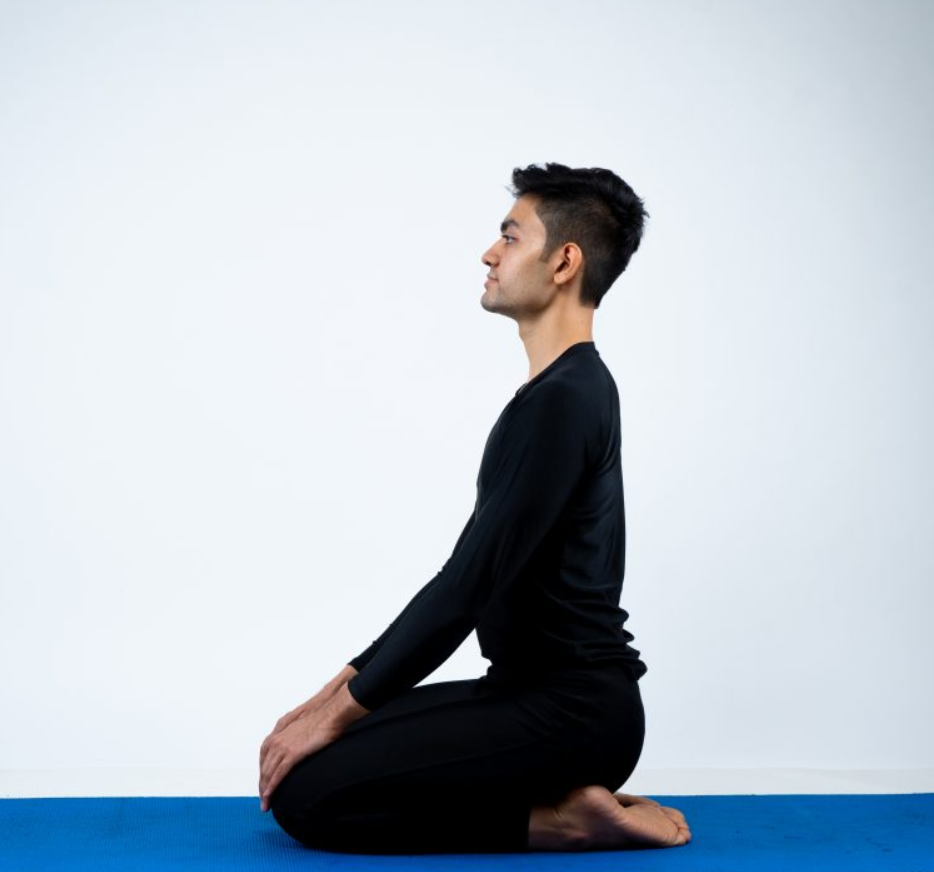
Begin by kneeling on the yoga mat with your knees together.
-
Lower your hips slowly and sit back on your heels.
-
Keep your big toes touching and heels slightly apart.
-
Rest your thighs on your calves.
-
Place your palms gently on your thighs, facing downward.
-
Keep your spine erect, shoulders relaxed, and head straight.
-
Close your eyes and breathe normally.
-
Remain in the posture for 5–15 minutes or as comfortable.
Breathing Technique
In breathing should be slow, deep, and rhythmic. This posture naturally encourages diaphragmatic breathing, which helps calm the nervous system. You may also practice pranayama techniques such as:
-
Anulom Vilom
-
Bhramari
-
Kapalbhati (with guidance)
Physical Benefits
1. Improves Digestion
enhances blood flow to the digestive organs, aiding digestion and preventing issues like acidity, gas, and constipation.
2. Strengthens Lower Body
It strengthens the thighs, calves, knees, and ankles, improving joint flexibility and stability.
3. Helps with Weight Management
By improving digestion and metabolism, supports healthy weight management when practiced regularly.
4. Reduces Back Pain
Sitting in with an erect spine helps alleviate mild lower back pain and improves posture.
5. Enhances Blood Circulation
The posture optimizes blood circulation in the pelvic and abdominal regions, benefiting internal organs.
Mental and Emotional Benefits
1. Calms the Mind
grounding effect on the nervous system, helping reduce stress, anxiety, and restlessness.
2. Improves Concentration
Practicing before meditation enhances focus and mental clarity.
3. Supports Emotional Balance
The posture promotes emotional stability and inner peace through mindful breathing.
Vajrasana and Digestive Health
Vajrasana is one of the few yoga poses recommended after meals. Sitting in this posture for 5–10 minutes after eating helps food move smoothly through the digestive tract. It also prevents overeating by promoting mindful awareness of the body.
Many yoga practitioners recommend for people suffering from indigestion, hyperacidity, and gastric discomfort.
Meditation and Spiritual Practice
Vajrasana is a preferred posture for meditation, prayer, and chanting. Its stable base and upright spine allow energy to flow freely through the spinal column. Yogic philosophy suggests that Vajrasana activates the Muladhara Chakra, fostering grounding and inner strength.
Variations
1. Supta Vajrasana
A reclining variation that stretches the abdomen, thighs, and spine.
2. Parvatasana (in Vajrasana)
Hands raised overhead while seated in Vajrasana to stretch the upper body.
3. Ankle-Supported Vajrasana
Using a cushion or block under the ankles for comfort.
Precautions and Contraindications
-
Avoid Vajrasana if you have severe knee pain or recent knee injury.
-
People with ankle or ligament issues should practice with support.
-
If you experience numbness or discomfort, release the pose immediately.
-
Pregnant women should practice under expert guidance.
Common Mistakes to Avoid
-
Slouching the spine
-
Sitting with excessive pressure on knees
-
Holding the breath
-
Forcing the posture despite pain
Vajrasana for Modern Lifestyle
In today’s fast-paced world, Vajrasana offers a simple yet powerful solution to common lifestyle problems such as stress, poor digestion, and postural imbalance. Practicing Vajrasana daily—even for a few minutes—can significantly improve overall well-being.
Office workers, students, and elderly individuals can especially benefit from this gentle posture.
Tips for Beginners
-
Use cushions or folded blankets for support.
-
Start with short durations and gradually increase.
-
Practice on a soft surface.
-
Focus on breath awareness.
Scientific Perspective
Modern research supports the digestive and stress-reducing benefits oF. Studies suggest that mindful sitting postures improve parasympathetic nervous system activity, aiding relaxation and digestion.
Conclusion
profound yoga posture that bridges physical health, mental calmness, and spiritual awareness. Its accessibility and effectiveness make it suitable for practitioners of all ages. By incorporating into your daily routine, you can experience improved digestion, better posture, emotional balance, and a deeper connection with yourself.
Whether practiced after meals, during meditation, or as part of a yoga routine, truly lives up to its name—strong, stable, and transformative.
Leave a Reply