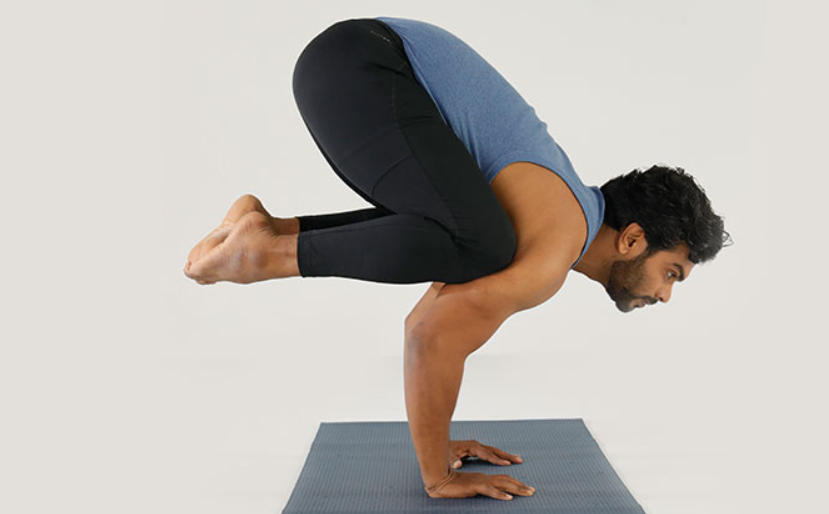
Introduction commonly known as Crow Pose, is one of the most popular and empowering arm-balance postures in yoga. At first glance, it may appear challenging or even intimidating, but with consistent practice and proper technique, Bakasana becomes a rewarding pose that builds both physical strength and mental confidence. This asana teaches the practitioner how to trust their body, control their breath, and overcome fear.
In the yogic journey, Bakasana represents the transition from beginner postures to more advanced practices. It requires focus, coordination, and patience, making it an excellent posture for developing discipline and inner balance. Though it looks like a strength-based pose, is equally about mindfulness and alignment.
This blog explores in depth, including its meaning, steps, benefits, variations, precautions, common mistakes, and its role in a holistic yoga practice.
Meaning and Significance
The word comes from two Sanskrit words:
-
Baka – Crane or Crow
-
Asana – Posture
In traditional texts, Bakasana is often referred to as the Crane Pose, symbolizing grace, focus, and patience. The crow or crane is known for standing still with great concentration, reflecting the mental steadiness required to hold this pose.
Symbolically, Bakasana represents:
-
Inner strength
-
Balance between effort and ease
-
Courage to face challenges
-
Mind-body coordination
Practicing Bakasana helps the yogi rise above self-doubt and develop self-trust, making it a powerful posture both physically and spiritually.
Place of Yoga Practice
Bakasana is categorized as:
-
An arm balance pose
-
A strengthening asana
-
An intermediate-level posture
It is often practiced:
-
After warm-up poses like Malasana, Plank, and Chaturanga
-
Before more advanced arm balances such as Koundinyasana or Eka Pada Bakasana
Though labeled intermediate, beginners can attempt Bakasana with modifications and props.
Preparation for Bakasana
Before practicing Bakasana, it is important to prepare the body properly. This pose puts pressure on the wrists, arms, shoulders, and core.
Warm-Up Poses
-
Wrist rotations and stretches
-
Cat–Cow Pose (Bitilasana–Marjaryasana)
-
Plank Pose
-
Dolphin Pose
-
Malasana (Yogic Squat)
Proper preparation reduces the risk of injury and improves stability in the pose.
Step-by-Step Procedure of
-
Begin in Malasana (Yogic Squat) with feet slightly apart and heels grounded if possible.
-
Place your palms flat on the mat, shoulder-width apart, fingers spread wide.
-
Bend your elbows slightly, creating a shelf with your upper arms.
-
Lean your torso forward and place your knees on the backs of your upper arms.
-
Shift your body weight slowly onto your hands.
-
Engage your core muscles and lift one foot off the floor, then the other.
-
Keep your gaze slightly forward, not down, to maintain balance.
-
Hold the pose for 10–30 seconds while breathing normally.
-
To release, gently lower your feet back to the mat and rest in Child’s Pose.
Breathing
Breath control is essential in Bakasana:
-
Inhale deeply before lifting the feet
-
Exhale slowly as you balance
-
Maintain steady, calm breathing while holding the pose
Holding the breath creates tension, while smooth breathing improves balance and focus.
Physical Benefits
1. Strengthens Upper Body
Bakasana builds strength in:
-
Arms
-
Wrists
-
Shoulders
-
Upper back
It is especially beneficial for developing arm endurance.
2. Improves Core Strength
The abdominal muscles play a key role in lifting and stabilizing the body, making excellent for core engagement.
3. Enhances Balance and Coordination
Balancing on the hands improves neuromuscular coordination and body awareness.
4. Tones Muscles
Regular practice tones the arms, shoulders, abdomen, and thighs.
5. Increases Wrist Flexibility
Weight-bearing on the hands improves wrist strength and mobility when practiced mindfully.
Mental and Emotional Benefits
1. Builds Confidence
Successfully holding boosts self-belief and motivation.
2. Improves Focus
The pose demands complete concentration, sharpening mental clarity.
3. Reduces Fear
Leaning forward challenges the fear of falling, teaching trust and courage.
4. Promotes Mindfulness
The balance between effort and relaxation brings awareness to the present moment.
Therapeutic Benefits
-
Helps reduce mild stress and anxiety
-
Encourages mental resilience
-
Supports emotional stability through controlled breathing and focus
Common Mistakes in Bakasana
-
Looking straight down, which causes loss of balance
-
Not engaging the core, making the pose unstable
-
Elbows spreading outward, increasing wrist strain
-
Rushing into the pose without proper warm-up
Correct alignment and patience are essential for safe practice.
Modifications and Variations
For Beginners
-
Place a folded blanket under the forehead for support
-
Practice lifting one foot at a time
-
Use yoga blocks under the feet
Advanced Variations
-
Eka Pada Bakasana (One-Legged Crow Pose)
-
Side Crow Pose (Parsva Bakasana)
-
Transitioning from Bakasana to Chaturanga
These variations enhance strength and control.
Precautions and Contraindications
Avoid or practice under guidance if you have:
-
Wrist injuries
-
Shoulder pain
-
Carpal tunnel syndrome
-
High blood pressure
-
Pregnancy
Always listen to your body and avoid pain.
Bakasana and Chakras
Bakasana activates the Manipura Chakra (Solar Plexus Chakra), which governs:
-
Personal power
-
Confidence
-
Willpower
Balancing this chakra enhances self-esteem and inner strength.
Role of Bakasana in Daily Yoga Practice
Incorporating Bakasana regularly:
-
Builds physical discipline
-
Encourages mental steadiness
-
Prepares the body for advanced poses
-
Enhances overall yoga performance
It is best practiced in the morning on an empty stomach or under expert supervision.
Tips for Mastering Bakasana
-
Practice regularly with patience
-
Strengthen wrists and core
-
Use props without hesitation
-
Focus on breath and gaze
-
Accept small progress
Yoga is a journey, not a competition.
Conclusion
Bakasana is much more than an arm balance pose—it is a powerful expression of strength, focus, courage, and mindfulness. While challenging at first, consistent practice transforms fear into confidence and effort into ease. The pose teaches valuable lessons both on and off the mat: trust yourself, stay present, and move forward with balance.
Leave a Reply