Complete Guide to Technique, Benefits, and Yogic Wisdom
Introduction
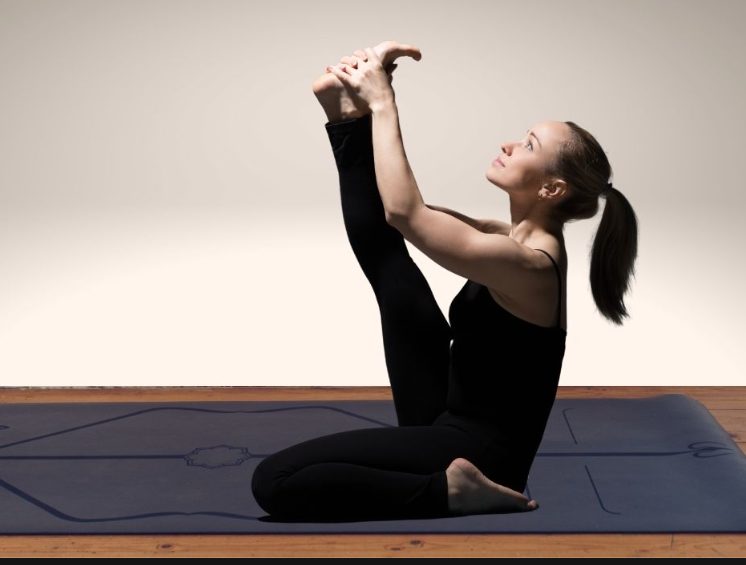
commonly known as Heron Pose, is a classical seated yoga posture that combines balance, flexibility, and mental focus. Rooted deeply in the ancient yogic tradition, this asana symbolizes the grace and steadiness of a heron standing tall and composed. Though it appears simple, Krounchasana requires patience, controlled breathing, and gradual opening of the hips and hamstrings.
In modern yoga practice, is valued for its therapeutic benefits, especially for improving posture, strengthening the core, and calming the nervous system. It is a powerful pose for both physical refinement and inner awareness, making it suitable for intermediate practitioners who wish to deepen their practice.
Meaning and Origin
The Sanskrit word means heron, a long-legged, graceful bird often associated with balance and stillness. “Asana” means posture or pose. Together, represents the poised stance of a heron, reflecting alertness, elegance, and inner stability.
This posture is mentioned in classical yoga texts and is traditionally practiced as part of seated asana sequences. Over centuries, yogis have used Krounchasana not only to prepare the body for meditation but also to cultivate discipline and mindfulness.
Importance of Krounchasana in Yoga Practice
Krounchasana plays a vital role in enhancing flexibility and strength in the lower body. It stretches deep muscle groups that are often tight due to prolonged sitting or lack of movement. The pose also improves alignment of the spine and encourages upright posture.
Beyond physical benefits, this asana promotes mental clarity and emotional balance. Holding the pose requires focused breathing and presence, which helps quiet the mind and develop patience.
Preparatory Poses for Krounchasana
Before practicing Krounchasana, it is important to prepare the body with gentle stretches and warm-up poses:
-
Dandasana (Staff Pose) – Improves spinal alignment
-
Janu Sirsasana (Head-to-Knee Pose) – Opens hamstrings
-
Baddha Konasana (Butterfly Pose) – Loosens hips
-
Virasana (Hero Pose) – Conditions knees and thighs
-
Supta Padangusthasana – Prepares legs for extension
Practicing these poses reduces the risk of strain and allows a smoother transition into Krounchasana.
Step-by-Step Practice of Krounchasana
-
Begin in Dandasana, sitting upright with legs extended forward.
-
Bend the left leg and place the foot beside the left hip, similar to Virasana.
-
Keep the spine straight and shoulders relaxed.
-
Bend the right knee and hold the right foot or ankle with both hands.
-
Slowly extend the right leg upward while maintaining balance.
-
Keep the chest lifted and gaze forward.
-
Breathe deeply and hold the posture for 20–30 seconds.
-
Slowly release and repeat on the other side.
Breathing Technique in Krounchasana
Breathing plays a crucial role in stabilizing the posture. Inhale deeply while lengthening the spine, and exhale slowly as you extend the raised leg. Steady breathing helps release tension and allows deeper flexibility without strain.
Physical Benefits of Krounchasana
Regular practice of Krounchasana offers numerous physical benefits:
-
Improves hamstring and calf flexibility
-
Strengthens core and spinal muscles
-
Enhances hip mobility
-
Improves posture and body alignment
-
Stimulates abdominal organs
-
Helps relieve lower back stiffness
Mental and Emotional Benefits
Krounchasana is not just a physical posture—it also nurtures mental well-being:
-
Enhances focus and concentration
-
Reduces stress and anxiety
-
Encourages mindfulness
-
Develops patience and discipline
-
Promotes emotional stability
The stillness required in the pose helps calm racing thoughts and promotes inner peace.
Therapeutic Benefits of Krounchasana
This asana is particularly beneficial for individuals dealing with:
-
Mild sciatica
-
Digestive issues
-
Poor posture
-
Muscle stiffness due to sedentary lifestyle
-
Mild knee and hip discomfort (when practiced carefully)
With proper guidance, it can support overall musculoskeletal health.
Common Mistakes to Avoid
-
Rounding the back instead of keeping it upright
-
Forcing the raised leg beyond comfort
-
Holding breath during the pose
-
Locking the knee joint
-
Practicing without warm-up
Avoiding these mistakes ensures safe and effective practice.
Contraindications and Precautions
Krounchasana should be avoided or modified if you have:
-
Severe knee injuries
-
Hip replacement surgery
-
Acute lower back pain
-
Hamstring tears
-
Arthritis in knees or hips
Pregnant women should practice only under expert supervision.
Variations and Modifications
To make the pose accessible:
-
Use a yoga strap around the foot
-
Slightly bend the raised knee
-
Sit on a folded blanket for comfort
-
Practice near a wall for balance support
Advanced practitioners may hold the pose longer or combine it with breath retention.
Krounchasana in Yogic Philosophy
Symbolically, Krounchasana teaches balance between effort and ease. Like a heron standing calmly in water, the practitioner learns to remain steady amidst physical challenge. The pose reminds us to stay grounded while reaching higher—both physically and spiritually.
Incorporating Krounchasana into Daily Practice
This asana fits well in morning or evening routines. It can be practiced after standing poses and before meditation or pranayama. Practicing it 3–4 times a week helps maintain flexibility and mental clarity.
Conclusion
Krounchasana is a beautiful blend of strength, flexibility, and mindfulness. Though challenging, it rewards the practitioner with improved posture, calmness, and body awareness. With consistent practice, patience, and mindful breathing, Krounchasana becomes not just a posture but a meditative expert you are deepening your yoga journey or exploring seated poses, Krounchasana offers a powerful path toward physical balance and inner stillness.
Leave a Reply