Introduction
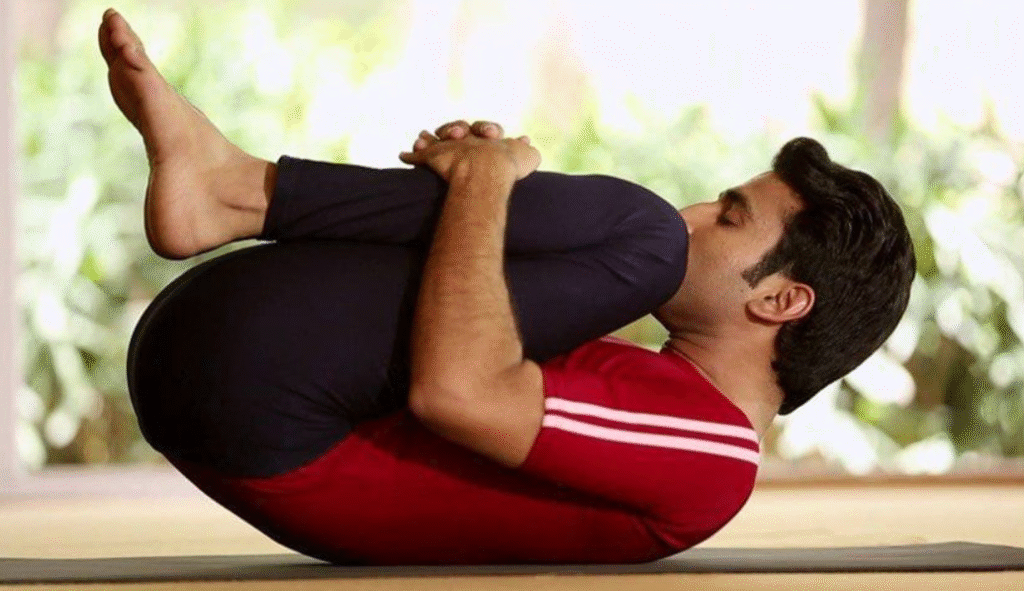
Wind-Relieving Pose, is one of the most simple yet highly effective yoga asanas. It is especially beneficial for improving digestion, reducing gas, and relieving abdominal discomfort. In today’s fast-paced lifestyle, poor eating habits, lack of physical activity, and stress often lead to digestive problems. offers a natural and holistic solution to these issues.
This asana is suitable for beginners, elderly people, and even those recovering from illness, making it an essential posture in daily yoga practice. It is often included in therapeutic yoga sessions due to its gentle nature and powerful benefits.
In this blog, we will explore in detail, including its meaning, steps, benefits, variations, precautions, and its importance in overall health.
The name comes from Sanskrit words:
-
Pawan – Wind or gas
-
Mukta – Release or free
-
Asana – Posture
Thus, Pawanmuktasana means the posture that helps release trapped gas from the digestive system. As the name suggests, this asana primarily focuses on improving digestive health and balancing bodily energies.
Importance of Pawanmuktasana in Yoga
Pawanmuktasana is often practiced at the beginning of a yoga session as it helps warm up the body and remove stiffness from joints. It plays a vital role in activating the digestive organs and preparing the body for more advanced postures.
This pose is also part of the Pawanmuktasana series, which includes movements designed to improve joint mobility, circulation, and energy flow throughout the body.
How to Perform Pawanmuktasana (Step-by-Step Method)
Follow these steps carefully for correct practice:
-
Lie flat on your back on a yoga mat in Shavasana position.
-
Keep your legs straight and arms relaxed beside the body.
-
Inhale deeply.
-
As you exhale, bend your right knee and bring it toward your chest.
-
Clasp your hands around the knee.
-
Press the thigh gently against the abdomen.
-
Lift your head and try to touch your nose or chin to the knee.
-
Hold the position for 10–30 seconds, breathing normally.
-
Inhale and slowly release the leg and head.
-
Repeat with the left leg.
-
Finally, bend both knees together and repeat the same steps.
-
Relax in Shavasana.
Breathing Technique in Pawanmuktasana
Breathing is an essential aspect of this posture:
-
Inhale before bringing the knees toward the chest.
-
Exhale while compressing the abdomen.
-
Breathe slowly and deeply while holding the pose.
-
Avoid holding the breath.
Proper breathing enhances the digestive benefits of this asana.
Types and Variations of Pawanmuktasana
1. Single-Leg Pawanmuktasana
Practicing with one leg at a time helps beginners and improves balance.
2. Double-Leg Pawanmuktasana
Both knees are brought to the chest, providing deeper abdominal compression.
3. Rocking Pawanmuktasana
Gently rocking side to side massages the spine and digestive organs.
4. Wind-Relieving Pose with Stretch
The legs are extended slightly to increase stretch in the lower back.
Physical Benefits of Pawanmuktasana
1. Improves Digestion
Pawanmuktasana stimulates digestive organs and improves bowel movement.
2. Relieves Gas and Bloating
This pose effectively releases trapped gas from the intestines.
3. Strengthens Abdominal Muscles
Regular practice tones the abdominal region and core muscles.
4. Reduces Lower Back Pain
Gentle pressure and stretching help relieve stiffness and pain in the lower back.
5. Improves Hip and Knee Flexibility
It increases mobility in the hip joints and knees.
6. Enhances Blood Circulation
Compression and release improve circulation in the abdominal area.
Mental and Emotional Benefits
1. Reduces Stress and Anxiety
Gentle movements calm the nervous system and relax the mind.
2. Improves Sleep Quality
Practicing Pawanmuktasana before bedtime helps reduce insomnia.
3. Increases Body Awareness
The slow and controlled movement enhances mindfulness.
4. Promotes Emotional Balance
By releasing physical tension, emotional stress is also reduced.
Therapeutic Benefits of Pawanmuktasana
Pawanmuktasana is beneficial in managing:
-
Constipation
-
Indigestion
-
Acidity
-
Irritable bowel syndrome (IBS)
-
Obesity
-
Menstrual discomfort
-
Mild sciatica
-
Fatigue
It is often recommended in yoga therapy programs due to its gentle nature.
Pawanmuktasana for Women
Women benefit greatly from this pose:
-
Helps regulate menstrual cycles
-
Reduces menstrual cramps
-
Strengthens pelvic muscles
-
Improves reproductive health
-
Relieves discomfort during menopause
Pawanmuktasana for Beginners
Beginners should:
-
Practice on an empty stomach
-
Use slow and controlled movements
-
Avoid forceful pressure on the abdomen
-
Keep the head on the mat if lifting feels uncomfortable
Consistency is more important than intensity.
Precautions and Contraindications
Avoid or modify this pose if you have:
-
Recent abdominal surgery
-
Hernia
-
Severe back injury
-
Pregnancy
-
Slip disc
-
Heart problems
Always consult a yoga instructor or doctor before practice if you have medical conditions.
Common Mistakes to Avoid
-
Forcing the knees toward the chest
-
Holding the breath
-
Lifting the head forcefully
-
Practicing immediately after meals
-
Rushing the movement
Best Time to Practice Pawanmuktasana
-
Early morning on an empty stomach
-
Evening, at least 4–5 hours after meals
-
Can be practiced before bedtime for digestion and relaxation
Pawanmuktasana in Daily Yoga Routine
This pose is commonly included in:
-
Beginner yoga sequences
-
Digestive health routines
-
Weight-loss yoga programs
-
Stress-relief sessions
-
Therapeutic yoga practices
It pairs well with:
-
Vajrasana
-
Bhujangasana
-
Balasana
-
Shavasana
Scientific and Yogic Perspective
From a yogic point of view, Pawanmuktasana balances Apana Vayu, which governs elimination and digestion. Proper balance of Apana Vayu leads to better physical and mental health.
Modern science supports its role in improving gut motility and reducing abdominal pressure, making it beneficial for digestive disorders.
Conclusion
Pawanmuktasana is a simple yet powerful yoga posture that offers immense benefits for digestive health, mental relaxation, and overall well-being. Its gentle nature makes it accessible to people of all age groups, from beginners to advanced practitioners.
By practicing Pawanmuktasana regularly with correct breathing and awareness, one can experience improved digestion, reduced stress, and better physical comfort. This asana proves that even simple yoga postures can bring profound changes to health and lifestyle.
Leave a Reply