Meaning and Symbolism of
In yogic philosophy, the crow represents wisdom, patience, and keen observation. Practicing Kakasana helps cultivate these qualities both on and off the mat. The posture encourages the practitioner to remain calm and centered even when the body feels unstable.
Energetically, stimulates the Manipura Chakra (Solar Plexus Chakra), which governs confidence, willpower, and personal strength. Regular practice of this pose helps build self-belief and inner stability.
Difference Between Kakasana and
and are often confused:
-
Kakas
-
Arms slightly bent
-
Knees rest on upper arms
-
More beginner-friendly arm balance
-
-
ana(Crow Pose):
-
Bakasana (Crane Pose):
-
Arms straight
-
More core and shoulder strength required
-
Advanced variation
-
Many yoga traditions use the names interchangeably, but technically K is the preparatory version of Bakasana.
Anatomy Involved in Kakasana
Kaka engages the whole body, especially:
-
Wrists and forearms
-
Shoulders and upper arms
-
Core muscles (abdominals and obliques)
-
Hip flexors
-
Inner thighs
-
Spine and neck (stabilization)
This pose strengthens stabilizing muscles while improving coordination and proprioception.
How to Practice Kakasan (Step-by-Step Guide)
Starting Position
-
Begin in Malasana (Yogic Squat).
-
Keep your feet slightly apart and heels grounded if possible.
-
Place your palms firmly on the mat shoulder-width apart.
-
Spread your fingers wide and press evenly into the hands.
-
Bend your elbows slightly.
Entering Kakas
-
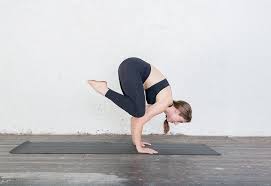
Lean your torso forward and place your knees onto your upper arms.
-
Shift your weight slowly into your hands.
-
Lift your heels off the floor.
-
Engage your core muscles strongly.
-
Look forward, not down, to maintain balance.
-
Gradually lift one foot, then the other off the ground.
Holding the Pose
-
Hold Kakas for 10–30 seconds.
-
Maintain steady breathing.
-
Keep the gaze focused and calm.
Exiting the Pose
-
Slowly lower one foot and then the other back to the mat.
-
Return to Malasana or Uttanasana.
-
Rest in Balasana (Child’s Pose) to release wrists.
Breathing Technique in Kakas
Breath control is essential:
-
Inhale to lengthen the spine.
-
Exhale to engage the core and lift the feet.
-
Maintain slow, controlled breathing to stay balanced.
Holding the breath can destabilize the posture.
Benefits of Kakas
Physical Benefits
-
Strengthens wrists, arms, and shoulders
-
Builds core strength
-
Improves balance and coordination
-
Enhances body awareness
-
Tones abdominal muscles
-
Strengthens hip flexors
-
Improves posture
Mental and Emotional Benefits
-
Builds confidence and courage
-
Overcomes fear of falling
-
Improves concentration
-
Develops mental discipline
-
Enhances mindfulness
Energetic Benefits
-
Activates the Solar Plexus Chakra
-
Boosts inner power and motivation
-
Enhances self-control
Kakas for Beginners
Beginners can modify the pose:
-
Place a block under the feet
-
Use a folded blanket under the forehead
-
Practice shifting weight without lifting feet
Consistency and patience are key.
Preparatory Poses for Kakas
To safely prepare the body, practice:
-
Malasana
-
Plank Pose
-
Chaturanga Dandasana
-
Bakasana preparation drills
-
Wrist stretches
These poses build the necessary strength and flexibility.
Counter Poses After Kakas
After practicing Kakasana, include:
-
Balasana
-
Uttanasana
-
Adho Mukha Svanasana
-
Wrist release stretches
These poses neutralize strain.
Common Mistakes to Avoid
-
Looking straight down
-
Not engaging the core
-
Locking the elbows
-
Placing knees too low on arms
-
Rushing into the pose
Proper alignment prevents injury.
Variations of Kakas
Supported Kakas
-
Use blocks or bolsters
-
Ideal for beginners
One-Legged Kakas
-
Lift one leg at a time
-
Improves balance control
Side Crow Variation
-
Adds twisting element
-
Enhances core strength
Kakas vs Fear of Falling
Fear is the biggest obstacle in Kakas Practicing near a wall or using props builds confidence and reduces anxiety.
Precautions and Contraindications
Avoid or modify if you have:
-
Wrist injuries
-
Shoulder pain
-
Carpal tunnel syndrome
-
Pregnancy
-
Recent surgery
Always warm up properly before practice.
and Wrist Health
To protect wrists:
-
Warm up wrists thoroughly
-
Distribute weight evenly
-
Avoid collapsing into palms
Gradual practice ensures wrist safety.
Kakasana in Yoga Sequences
is commonly included in:
-
Arm-balance workshops
-
Power yoga flows
-
Strength-building sequences
It is best practiced after a full warm-up.
Kakasana for Mental Strength
This posture trains the mind to remain calm under pressure. The ability to balance while suspended builds resilience, patience, and emotional control.
and Yogic Philosophy
represents overcoming ego and fear. It teaches humility, focus, and the importance of steady effort rather than force.
How Long to Hold
-
Beginners: 5–10 seconds
-
Intermediate: 15–30 seconds
-
Advanced: 30–60 seconds
Quality of balance matters more than duration.
Best Time to Practice
-
Morning on an empty stomach
-
After strength-based yoga sessions
Avoid practicing when tired.
Kakas for Athletes and Fitness Enthusiasts
Athletes benefit from:
-
Improved upper-body strength
-
Enhanced coordination
-
Better body control
Kakas and Consistency
Regular practice develops:
-
Physical strength
-
Mental discipline
-
Confidence
Small daily efforts lead to mastery.
Leave a Reply