Introduction to Hindolasana
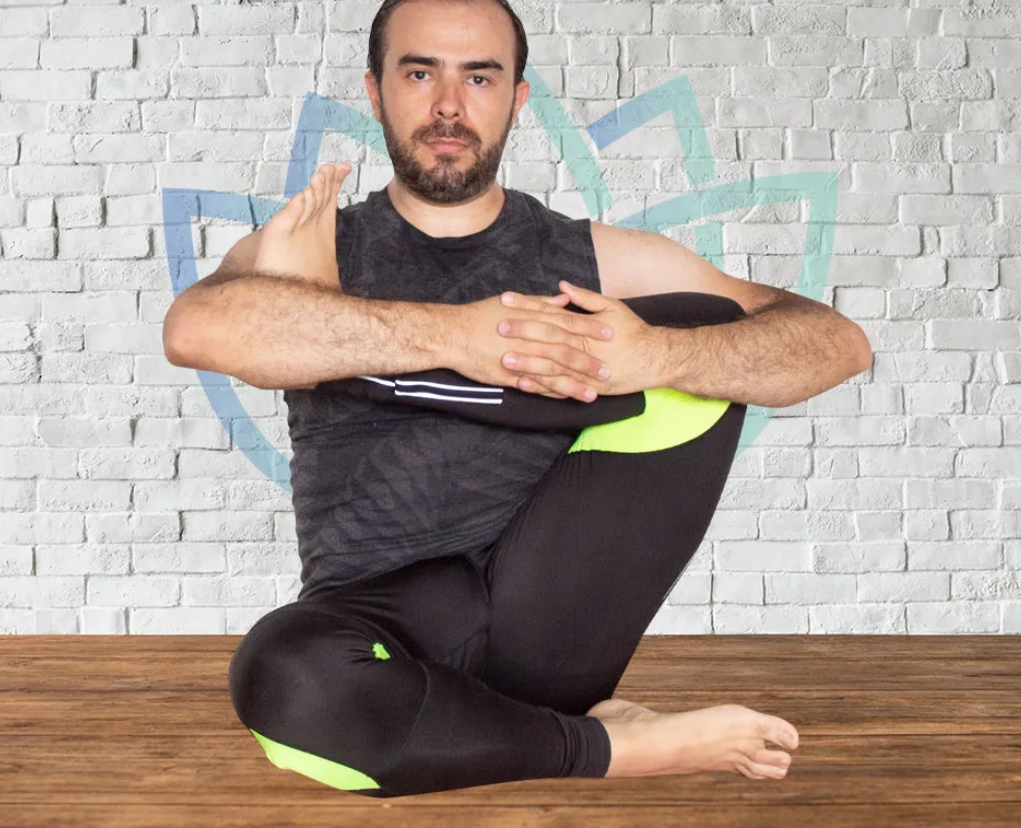
Yoga is an ancient science that connects the body, mind, and soul. Among the many seated and meditative postures in yoga also known as Swing Pose, holds a special place. The word Hindola means swing or cradle, and asana means posture. When practiced correctly, the body gently rocks like a swing, creating a soothing and calming effect on the nervous system.
Hindolasana is a simple yet powerful seated yoga posture. It is mainly practiced for improving balance, flexibility, digestion, concentration, and mental calmness. Though it looks easy requires awareness, spinal alignment, and controlled breathing. This asana is especially helpful for beginners who want to build stability and mindfulness.
Meaning and Significance of Hindolasana
The Sanskrit name Hindolasana comes from two words:
-
Hindola – Swing or cradle
-
Asana – Pose or posture
In this posture, the practitioner sits upright and gently sways the body forward and backward, similar to the movement of a swing. This rhythmic motion symbolizes flow, balance, and harmony, which are essential elements of yoga practice.
Hindolasana is often used as a preparatory or relaxation posture in yoga sessions. It prepares the body for deeper meditation and pranayama practices by calming the mind and releasing physical tension.
Importance of Hindolasana in Yoga Practice
Hindolasana may appear simple, but it has deep yogic value. It helps create:
-
Mind–body coordination
-
Awareness of breath
-
Gentle stimulation of internal organs
-
Relaxation of the spine and hips
This asana is suitable for people of all age groups, including students, working professionals, and elderly practitioners. It can be practiced in the morning to energize the body or in the evening to relieve stress and fatigue.
Step-by-Step Procedure
Follow these steps carefully to practice Hindolasana correctly:
-
Sit on a yoga mat in Dandasana (legs stretched forward).
-
Slowly bend your knees and bring the soles of the feet closer to the body.
-
Sit upright with the spine straight and shoulders relaxed.
-
Hold the ankles or shins gently with both hands.
-
Keep the head, neck, and spine in a straight line.
-
Inhale deeply and gently lean the body slightly backward.
-
Exhale and slowly move the body forward.
-
Continue this gentle swinging motion in sync with your breath.
-
Maintain awareness of breathing and body movement.
-
Practice for 5–10 rounds, then relax.
Breathing Pattern in Hindolasana
-
Inhale while moving backward
-
Exhale while moving forward
Slow, deep, and rhythmic breathing enhances the calming effect of the posture. Proper breathing improves oxygen supply to the body and increases mental focus.
Duration and Best Time to Practice
-
Duration: 1–3 minutes or 5–10 gentle swings
-
Best Time: Early morning on an empty stomach or evening after a gap of 4–5 hours after meals
Practicing Hindolasana in a quiet environment helps improve concentration and relaxation.
Benefits
1. Improves Spinal Flexibility
The gentle swinging motion helps loosen the spine, improving flexibility and posture.
2. Calms the Nervous System
Hindolasana has a soothing effect on the mind. It reduces anxiety, stress, and mental fatigue.
3. Enhances Digestion
The rhythmic movement massages abdominal organs, improving digestion and relieving constipation.
4. Improves Balance and Coordination
This asana improves body balance and coordination by increasing awareness of movement.
5. Strengthens Core Muscles
The posture engages abdominal and lower back muscles, strengthening the core.
6. Improves Concentration
Regular practice helps improve focus, memory, and mental clarity.
7. Helpful in Meditation Preparation
Hindolasana prepares the body and mind for meditation by relaxing muscles and calming thoughts.
Therapeutic Benefits
Hindolasana can be beneficial in managing:
-
Stress and mild depression
-
Digestive disorders
-
Back stiffness
-
Mental restlessness
-
Poor posture
It is often recommended as a gentle therapy pose for people who want relaxation without physical strain.
Precautions and Contraindications
Although Hindolasana is safe, certain precautions should be followed:
-
Avoid practicing if you have severe back pain or spinal injury.
-
Pregnant women should consult a yoga expert before practice.
-
Do not force the swinging movement.
-
Practice slowly and mindfully.
-
Stop immediately if you feel pain or discomfort.
Common Mistakes to Avoid
-
Slouching the spine
-
Holding breath during movement
-
Swinging too fast
-
Tensing shoulders and neck
-
Practicing immediately after meals
Maintaining correct posture and breathing ensures maximum benefits.
Variations of Hindolasana
1. Supported Hindolasana
Beginners can place a cushion or folded blanket under the hips for support.
2. Meditative Hindolasana
Eyes closed with mantra chanting for deeper relaxation.
3. Child-Friendly Hindolasana
This pose is ideal for children to improve focus and body awareness.
Hindolasana for Students
Students often face mental pressure and lack of concentration.
-
Improves focus
-
Reduces exam stress
-
Enhances memory
-
Promotes emotional balance
Practicing this pose daily for a few minutes can improve academic performance.
Hindolasana in Daily Life
In modern life, people spend long hours sitting, leading to stiffness and stress.
-
Relieves lower back tension
-
Improves posture
-
Provides mental relaxation
-
Balances emotions
It is a perfect pose for office workers and digital professionals.
Spiritual Aspect
In yogic philosophy, rhythmic movement represents flow of prana (life energy). Hindolasana harmonizes the flow of energy along the spine, promoting inner peace and mindfulness. The gentle swing symbolizes letting go of stress and embracing balance in life.
Conclusion
Hindolasana is a simple yet effective yoga posture that offers physical, mental, and emotional benefits. Its gentle swinging motion calms the nervous system, improves digestion, enhances focus, and prepares the mind for meditation. Suitable for beginners and experienced practitioners alike, Hindolasana is a valuable addition to any yoga routine.
By practicing Hindolasana regularly with proper breathing and awareness, one can experience inner calm, improved posture, and better overall well-being. This asana teaches us the importance of balance, rhythm, and mindfulness in both yoga practice and daily life.
Leave a Reply