What is Mayurasana?
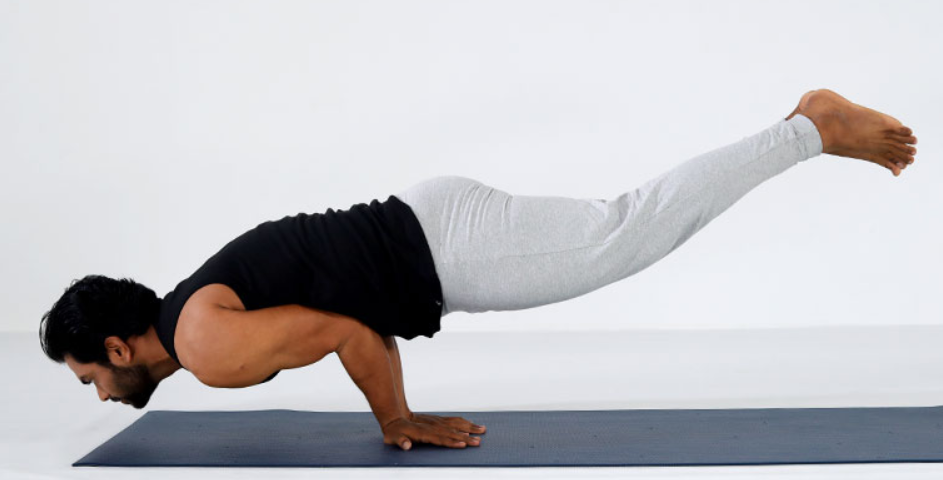
Mayurasana is an advanced arm-balance posture where the body is held parallel to the ground, supported by bent elbows pressed firmly into the abdomen. The legs remain straight and extended backward, resembling the form of a peacock with spread feathers.
This asana primarily strengthens the arms, wrists, shoulders, and core while strongly stimulating the abdominal organs. It is mainly practiced in Hatha Yoga and advanced yoga routines.
How to Perform Mayurasana (Steps)
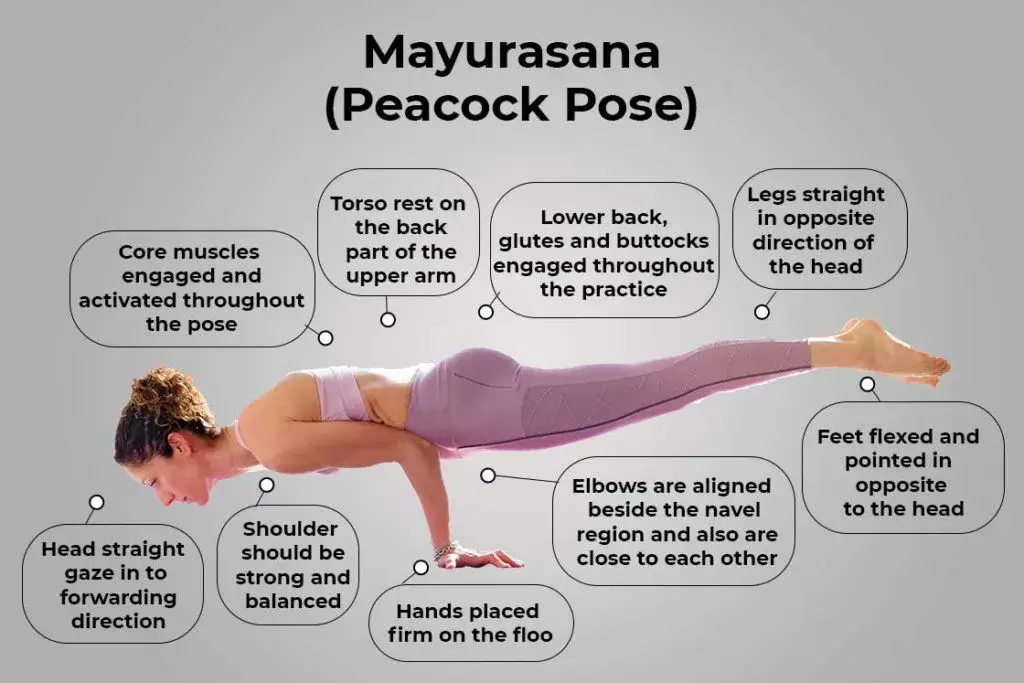
Practice Mayurasana only after proper warm-up and under expert supervision:
-
Starting Position
Kneel on the yoga mat and sit on your heels. -
Hand Placement
Place both palms on the floor with fingers pointing toward your feet. -
Elbow Position
Bend your elbows and press them firmly into the sides of your abdomen or navel area. -
Lean Forward
Slowly lean the body forward, transferring weight onto the arms. -
Lift the Legs
Extend the legs backward and lift both legs together off the floor. -
Balance the Body
Keep the body straight and parallel to the ground. -
Hold the Pose
Maintain the posture for 10–30 seconds while breathing normally. -
Release Gently
Lower the legs slowly and relax in Balasana.
Benefits of Mayurasana

Mayurasana offers powerful physical and mental benefits:
1. Improves Digestion
The pressure on the abdomen stimulates digestive organs, enhancing metabolism and relieving digestive disorders.
2. Strengthens Arms and Shoulders
It builds exceptional strength in wrists, forearms, shoulders, and upper body.
3. Enhances Core Stability
Engaging the abdominal muscles improves balance and core control.
4. Detoxifies the Body
Traditional texts describe Mayurasana as a detoxifying posture that helps eliminate toxins.
5. Boosts Confidence and Willpower
Balancing the entire body enhances self-confidence and mental strength.
6. Improves Circulation
This pose increases blood flow to vital organs, revitalizing the body.
Mayurasana and Digestive Health
Mayurasana is especially beneficial for the digestive system. The firm pressure on the abdomen activates the liver, pancreas, stomach, and intestines. Regular practice may help reduce acidity, indigestion, and sluggish digestion.
Preparatory Poses for Mayurasana
Before attempting Mayurasana, practice:
-
Kakasana (Crow Pose)
-
Plank Pose
-
Chaturanga Dandasana
-
Dolphin Pose
These poses build the strength required for safe execution.
Precautions and Contraindications
Due to its intensity, Mayurasana should be avoided if you have:
-
Wrist, elbow, or shoulder injuries
-
Hernia or stomach ulcers
-
High blood pressure or heart conditions
-
Pregnancy
-
Recent surgery
Never force yourself into Mayurasana.
Best Time to Practice Mayurasana
-
Early morning on an empty stomach
-
In a calm, well-ventilated space
-
After proper warm-up
Practicing after meals should be strictly avoided.
Spiritual Significance of Mayurasana
In yogic philosophy, the peacock symbolizes purification and transformation. Mayurasana represents the ability to digest both physical food and life experiences, converting them into strength and wisdom 🌿.
Conclusion
Mayurasana is a dynamic and empowering yoga asana that builds physical strength, mental focus, and digestive power. Though demanding, its benefits are profound when practiced patiently and mindfully.
With regular practice and expert guidance, Mayurasana enhances confidence, cleanses the body, and strengthens the core—teaching us balance, discipline, and resilience.
Mayurasana reminds us that true strength comes from within—steady, calm, and balanced.
Leave a Reply