What Is Trikonasana?
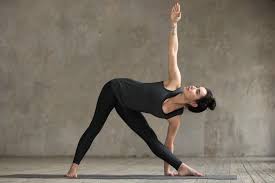
Trikonasana is a standing pose that involves stretching the legs, arms, and torso while maintaining a triangular shape with the body. It improves flexibility, strengthens core muscles, and boosts energy flow throughout the body.
This asana is highly recommended for people with a sedentary lifestyle, students, working professionals, and anyone looking to improve posture and flexibility.
How to Do Trikonasana (Step-by-Step Guide)
Follow these steps for correct alignment:
1. Stand with your feet wide apart
Keep a distance of about 3–4 feet between your legs.
2. Turn your right foot outward
Rotate your right foot 90 degrees and keep your left foot slightly inward.
3. Extend your arms to shoulder height
Keep your arms parallel to the floor and palms facing down.
4. Inhale and stretch
Lengthen your spine while preparing to bend sideways.
5. Exhale and bend to the right
Reach down with your right hand toward your shin, ankle, or floor.
Extend your left arm upward, creating a straight line.
6. Keep your chest open
Rotate your torso upward and gaze toward your left hand.
7. Hold the pose
Stay for 20–30 seconds with slow, steady breathing.
8. Repeat on the other side
Benefits of Trikonasana
Trikonasana is known for its powerful full-body benefits:
 Improves flexibility
Stretches the hamstrings, hips, waist, and spine.
Strengthens legs & core
Engages the thighs, knees, and abdominal muscles.
Enhances digestion
The side stretch massages internal organs and improves digestion.
Reduces stress & anxiety
Deep breathing in the pose calms the mind and relaxes the nervous system.
Corrects posture
Helps reduce back stiffness and improves spinal alignment.
Boosts energy & circulation
Improves blood flow and revitalizes the entire body.
Who Can Practice Trikonasana?
This pose is suitable for:
-
Beginners
-
Students & office workers
-
People with tight hamstrings
-
Individuals with mild digestion issues
-
Anyone wanting better flexibility
Precautions
Keep these safety tips in mind:
-
Avoid if you have severe back, neck, or knee injury.
-
Those with low blood pressure should rise slowly from the pose.
-
Pregnant women should practice under guidance.
-
Do not over-bend or lock your knees.
Leave a Reply