What Is Tadasana?
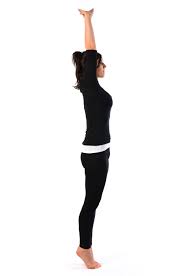
Tadasana is a standing pose that focuses on body alignment, grounding, and posture improvement. It is often used as the starting and ending pose in many yoga sequences, including Surya Namaskar. Despite its simplicity, it activates the legs, improves spine alignment, and increases awareness of the entire body.
How to Do Tadasana (Step-by-Step Guide)
Follow these easy steps:
1. Stand straight
Keep your feet together or slightly apart. Distribute your weight evenly on both feet.
2. Engage your thighs
Tighten your thigh muscles and lift the kneecaps slightly.
3. Straighten your spine
Lengthen your back and keep your shoulders relaxed but open.
4. Lift your arms
Raise your arms overhead with palms facing each other, or keep them beside your body.
5. Breathe deeply
Inhale and lift your chest. Exhale slowly and remain steady like a mountain.
6. Hold the posture
Stay in the pose for 30 seconds to 1 minute, focusing on your breath.
Benefits of Tadasana
Practicing Tadasana daily offers several powerful benefits:
 Improves posture
It aligns the spine and helps correct slouching or uneven body weight distribution.
Enhances balance & stability
Tadasana activates the core and leg muscles, improving overall balance.
Strengthens legs & thighs
The pose engages your leg muscles, making them stronger and more toned.
Boosts concentration
By focusing on breath and stillness, the mind becomes calm and centered.
Reduces back and knee pain
Proper alignment helps relieve pressure on the spine and knees.
Supports overall body awareness
You learn to stand consciously and be more aware of your body posture throughout the day.
Who Should Do Tadasana?
Tadasana is suitable for:
-
Beginners
-
Kids and elderly individuals
-
People with postural issues
-
Those who spend long hours sitting
-
Anyone looking to reduce stress and improve body balance
Precautions
-
People with severe migraine or low blood pressure should avoid holding the pose for too long.
-
Practice on an empty stomach.
-
Maintain slow, steady breathing throughout the posture.
Leave a Reply